 Post by
 A roof is one of the most critical investments in any home, serving as the first line of defense against weather, pests, and structural damage. Homeowners in Florida face unique challenges due to extreme heat, high humidity, heavy storms, and occasional snowfall. Understanding the factors that influence roof lifespan is crucial for proper maintenance, timely repairs, and informed material selection. This guide explores key determinants of roof longevity, including materials, climate, installation, maintenance, and structural considerations. With professional guidance from GenX Roofing, homeowners can protect their investment, extend roof lifespan, and prevent costly repairs while ensuring compliance with local building codes.
Key Takeaways
- The lifespan of a roof depends heavily on the materials used, with metal and tile providing longer-lasting protection compared to asphalt shingles.
- Proper installation and structural support are critical to preventing premature wear and ensuring roofing performance in Florida climates.
- Environmental factors, including hurricanes, humidity, snow, and temperature swings, directly influence roof longevity and the need for inspections.
- Routine maintenance, including gutter cleaning, debris removal, and professional inspections, significantly extends the life of roofing systems.
- Early detection of minor damage and proactive professional repairs, like those offered by GenX Roofing, prevent costly replacements and preserve home value.
Material Choice and Its Impact on Longevity
The type of roofing material you choose significantly affects the lifespan, performance, and maintenance needs of your roof. Different materials react differently to Florida climates, making informed selection crucial.
Asphalt Shingles
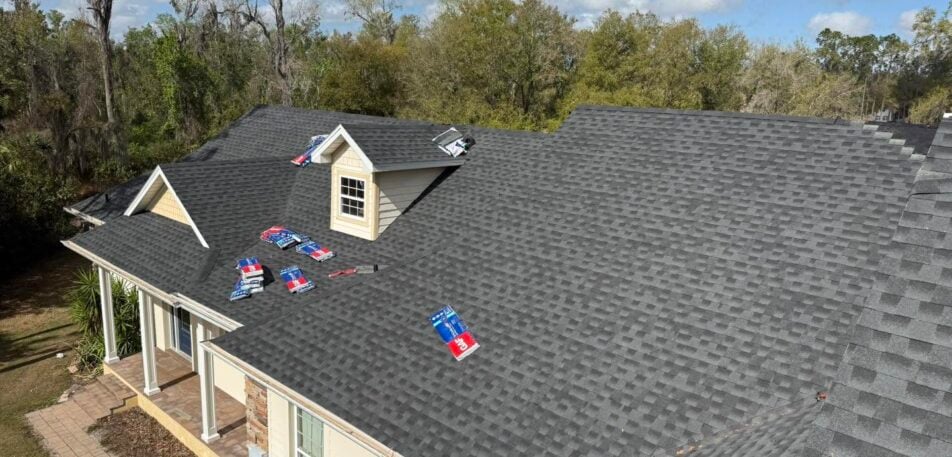
Asphalt shingles are widely used due to affordability and ease of installation. They typically last 20–30 years when properly maintained. While versatile, they are more susceptible to storm damage, UV degradation, and granule loss in high-heat environments.
Metal Roofing
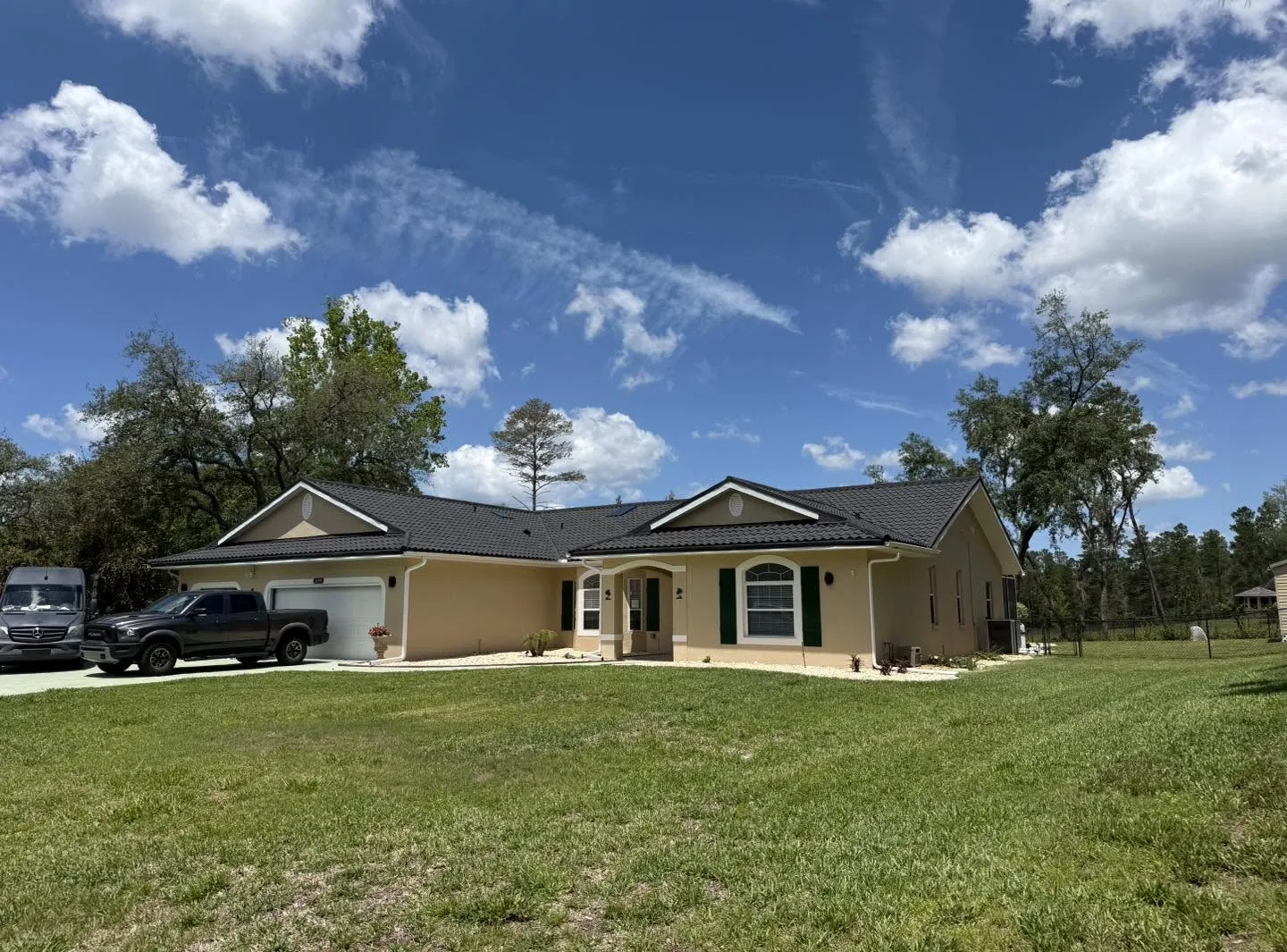
Metal roofs provide superior durability and can last 40–70 years. Their reflective surfaces reduce heat absorption, which is particularly beneficial in Florida’s high temperatures. Minimal maintenance is required, though periodic inspections of seams and fasteners are recommended.
Tile Roofing
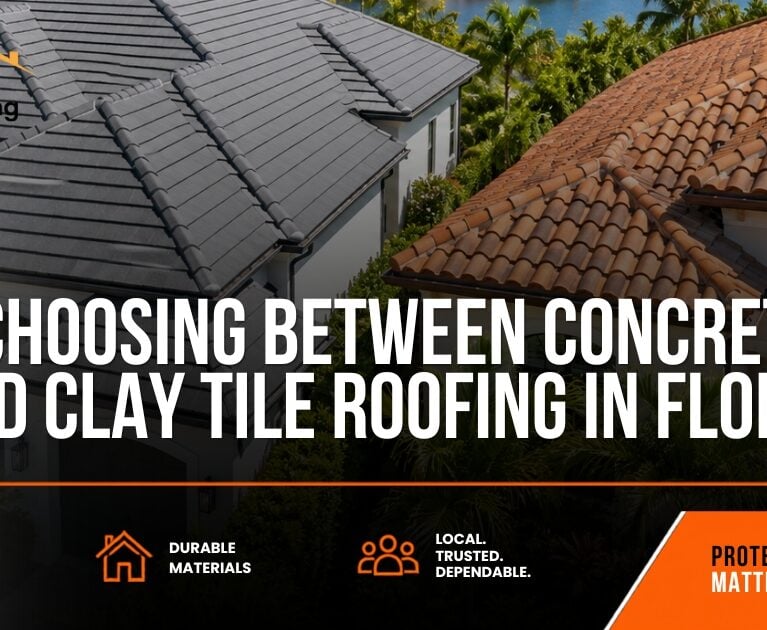
Tile roofing offers exceptional longevity, often exceeding 50 years. Its resistance to heat, moisture, and UV exposure makes it ideal for Florida climates. Tiles are heavier and require reinforced roof structures, but their durability often justifies the higher initial cost.
Wood Shingles and Shakes
Wood shingles provide a classic look and last 25–35 years but require diligent maintenance, including cleaning and sealing, to prevent rot and insect damage. They are less common in high-humidity areas without proper treatment.
Comparing Material Longevity and Maintenance
| Material | Lifespan | Maintenance Requirements | Suitability (FL/MO) |
|---|---|---|---|
| Asphalt Shingles | 20–30 years | Inspect after storms, replace damaged shingles | Moderate, frequent inspections |
| Metal Roofing | 40–70 years | Minimal, check fasteners periodically | Excellent, resists high heat/storms |
| Tile Roofing | 50+ years | Clean debris, inspect tiles regularly | Ideal for hot, humid climates |
| Wood Shingles | 25–35 years | Seal, clean, inspect for rot/insects | Suitable if treated properly |
Climate and Environmental Impacts
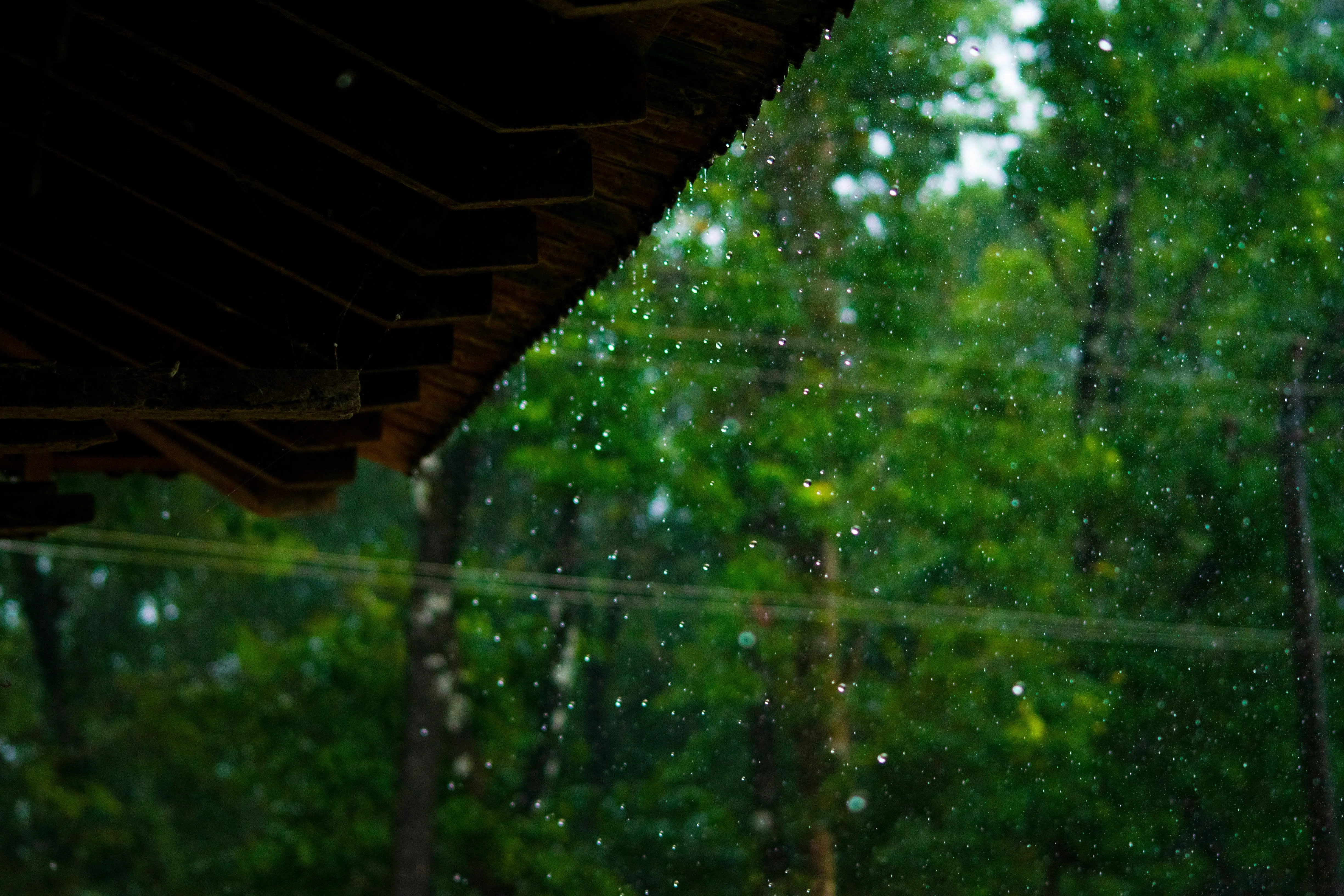
Roof longevity is heavily influenced by the local environment. Florida’s tropical storms, humidity, and intense sun can accelerate shingle wear and degrade underlay, while seasonal snow, ice, and temperature swings stress roofing materials differently.
Effects of Extreme Weather
- High heat can warp shingles, degrade asphalt, and reduce roof reflection efficiency.
- Heavy rainfall and storms can dislodge shingles, damage flashing, and cause leaks.
- Snow and ice accumulation can create ice dams that lead to water intrusion and structural damage.
Importance of Proper Drainage and Ventilation
- Gutters must be clear to prevent water pooling.
- Roof valleys and low-slope areas require careful inspection to avoid water accumulation.
- Attic ventilation prevents heat buildup, reducing stress on shingles and underlay.
Regional Maintenance Recommendations
- Inspect before and after hurricane season, check for wind or water damage.
- Inspect after snow melt and during seasonal transitions, and ensure ice dam prevention measures.
- Both regions: Schedule professional inspections biannually to maintain roof health.
Maintenance Strategies for Extending Roof Lifespan
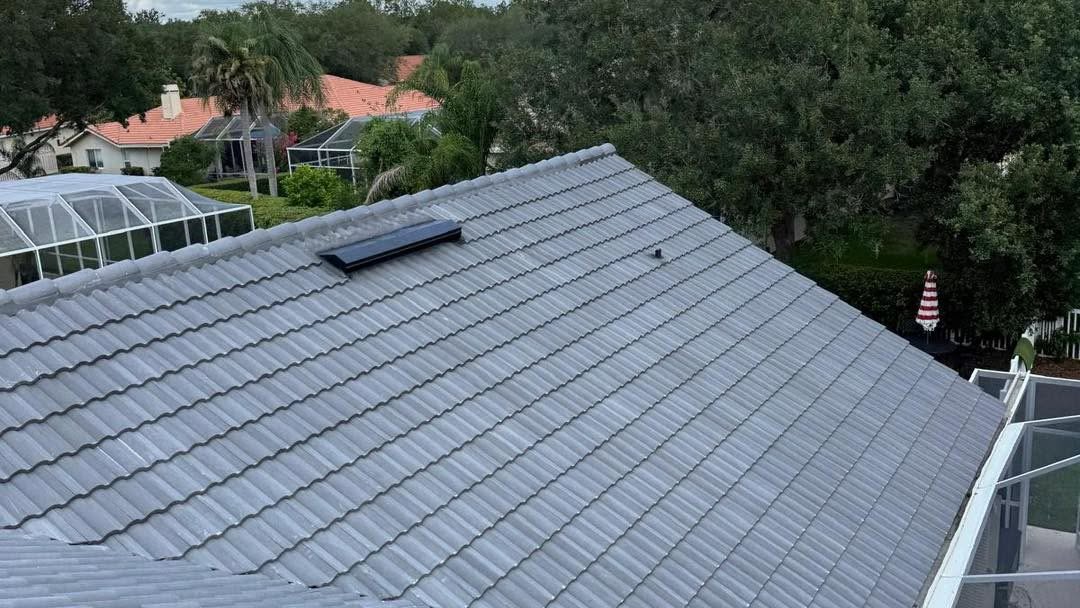
Routine maintenance is a proven way to prolong roof life. Proactive steps can prevent minor issues from becoming costly repairs.
Regular Inspections
- Conduct visual inspections twice yearly.
- Use moisture meters or thermal imaging for hidden leaks.
- Schedule post-storm evaluations to catch damage early.
Preventive Measures
- Clean gutters, remove debris, and trim overhanging branches.
- Check flashing, vents, and skylights regularly.
- Repair minor damage promptly to prevent escalation.
Professional Maintenance Services
- GenX Roofing offers inspection, maintenance, and targeted repair services in Florida.
- Professional teams can identify subtle signs of wear not visible to homeowners.
- Maintenance programs improve energy efficiency and reduce unexpected repair costs.
Key Factors That Influence Roof Lifespan
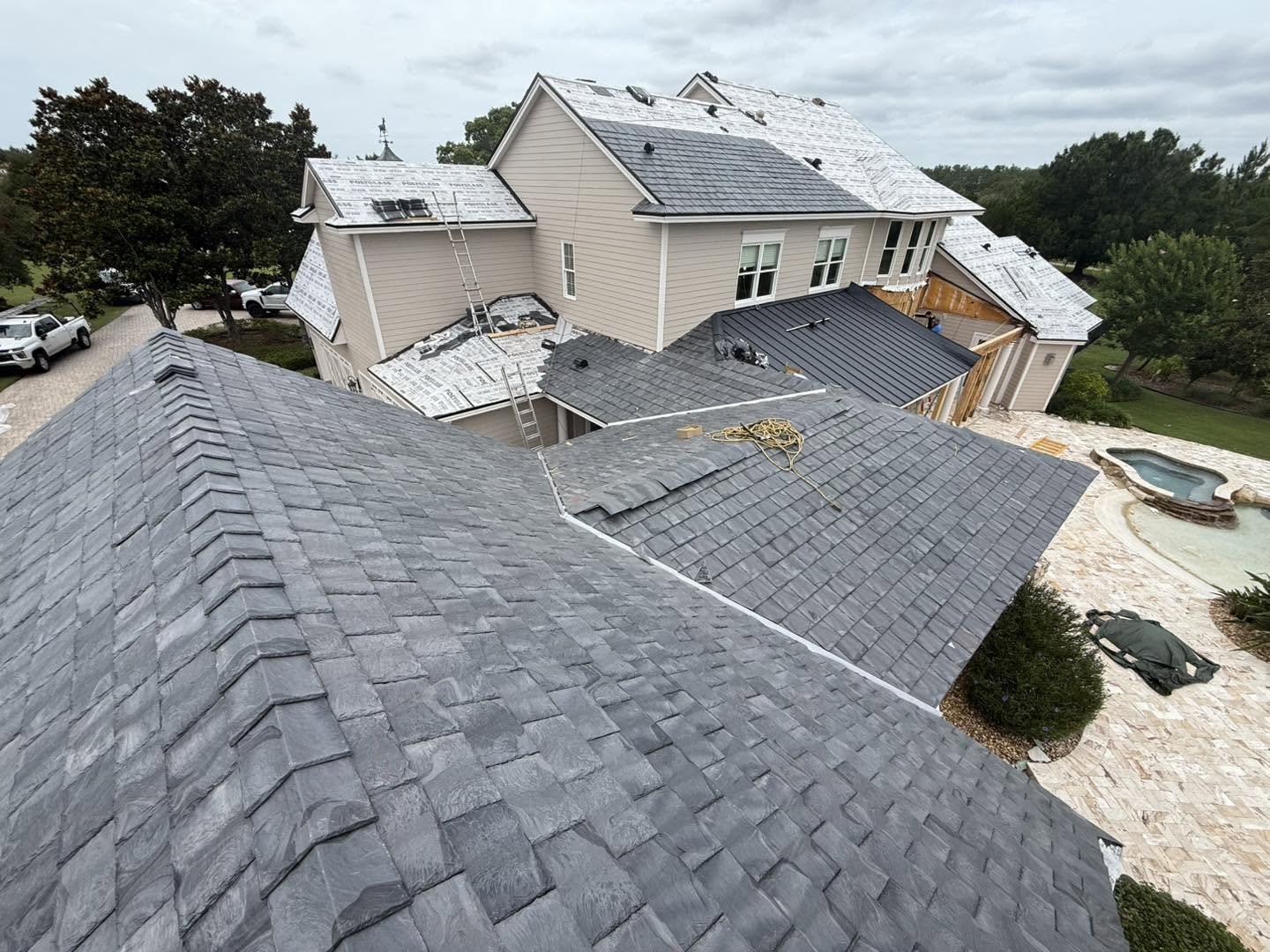
Understanding what affects the longevity of a roof helps homeowners make informed decisions about maintenance, inspections, and eventual replacement. Several key factors determine how long a roof can last, including the materials used, installation quality, climate conditions, and ongoing maintenance practices. Roofs in Florida face unique environmental challenges, such as high humidity, hurricane-season storms, extreme heat, winter snow, and ice. Selecting durable materials, ensuring proper installation, and adhering to a proactive maintenance schedule are critical to extending the service life of your roof. GenX Roofing provides expert guidance in assessing these factors, helping homeowners in Florida optimize roof longevity while maintaining structural integrity.
Roof Material Type and Durability
The type of roofing material is one of the most significant factors influencing how long a roof lasts. Materials like metal, tile, and asphalt shingles all have different lifespans and resilience to weather-related wear.
- Asphalt Shingles: Popular for residential homes, these shingles offer versatility and moderate durability. With regular maintenance, they can perform effectively in humid or hot climates.
- Metal Roofing: Extremely durable and resistant to wind, rain, and heat, metal roofing provides long-term performance with minimal maintenance. It is ideal for Florida climate variations.
- Tile Roofing: Offers excellent longevity and resistance to moisture and UV damage. Tile roofs can last decades but require proper installation and occasional inspections to prevent breakage.
Homeowners should consider the trade-offs between lifespan, durability, and maintenance requirements when choosing materials for their roof.
Installation Quality and Structural Support
Even the best materials can fail prematurely if the roof is improperly installed. Professional installation ensures that the roof structure can support the weight of the chosen materials and that all components are properly sealed and aligned. Key aspects include:
- Proper alignment and secure attachment of shingles or tiles
- Correct placement and sealing of flashing around vents, chimneys, and skylights
- Adequate roof ventilation to reduce moisture accumulation
- Structural reinforcement to withstand local wind speeds and snow loads
GenX Roofing emphasizes professional installation and inspection to prevent early deterioration caused by errors during installation.
Climate and Environmental Conditions
Environmental factors greatly influence roof longevity. Florida’s high humidity, intense sun, and hurricane risks, as well as temperature swings and winter snow loads, place unique stresses on roofing materials. Homeowners should understand these regional conditions to anticipate wear:
- UV exposure can degrade asphalt shingles and reduce energy efficiency.
- Frequent heavy rain or storm events can compromise flashing and roofing seams.
- Snow and ice accumulation can stress structural components and increase leak risk.
- High winds during hurricanes or storms may damage less resilient roofing systems.
Tailoring roof materials and maintenance strategies to local climate conditions helps prevent premature failure.
Frequently Asked Questions
What are the most durable roofing materials for Florida?
Metal and tile roofing typically offer the longest lifespans and perform well in extreme weather conditions in both states.
How often should I schedule professional roof inspections?
Schedule at least twice a year, ideally before and after storm seasons, to catch early signs of damage.
How can I identify minor damage before it becomes a major issue?
Look for missing shingles, water stains, moss growth, sagging areas, and rising energy bills. GenX Roofing’s inspection services can detect hidden damage early.
Does roof material affect repair costs significantly?
Yes, material choice impacts both repair and replacement costs. Asphalt shingles are less expensive, while metal and tile are higher but more durable.
Can routine maintenance extend roof lifespan?
Absolutely, regular maintenance like debris removal, gutter cleaning, and professional inspections significantly increases roof longevity.
Conclusion
The lifespan of your roof is influenced by material selection, climate, installation quality, and maintenance practices. Homeowners in Florida can protect their investment by recognizing early warning signs, choosing appropriate materials, and scheduling regular inspections. Professional roof repair services, such as those provided by GenX Roofing, offer comprehensive assessments, preventive maintenance, and targeted repairs to ensure homes remain safe, energy-efficient, and durable. Taking proactive steps now helps prevent costly damage later, extending the performance and lifespan of your roofing system.