 Post by
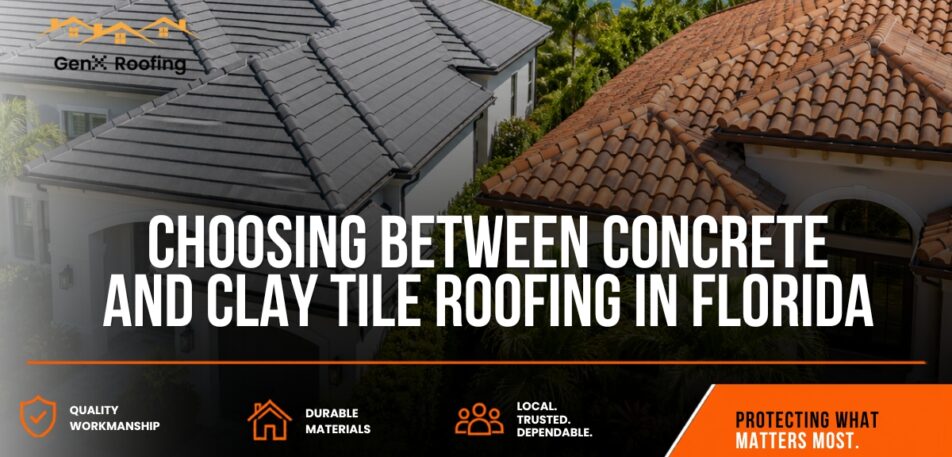
Tile roofing is a familiar choice on Florida homes, but selecting tiles involves more than comparing color and shape. Concrete and clay tiles differ in how they’re made and finished, while the underlayment beneath them plays a separate role in protecting the roof deck. This guide explains those differences, what affects tile roof lifespan, and what Tampa Bay homeowners can ask GenX Roofing about installation, repair, or replacement.
Key Takeaways
- Concrete and clay tiles offer different material and finish options, but the right choice depends on the home and selected product.
- The visible tiles and the underlayment beneath them are separate parts of the roof system.
- Tile may remain serviceable even when the underlayment needs professional attention.
- Installation details, product requirements, roof design, and maintenance all affect performance.
- GenX Roofing lists tile roof installation, replacement, repair, inspection, and maintenance among its roofing services.
Concrete vs. Clay Tile: What’s the Difference?
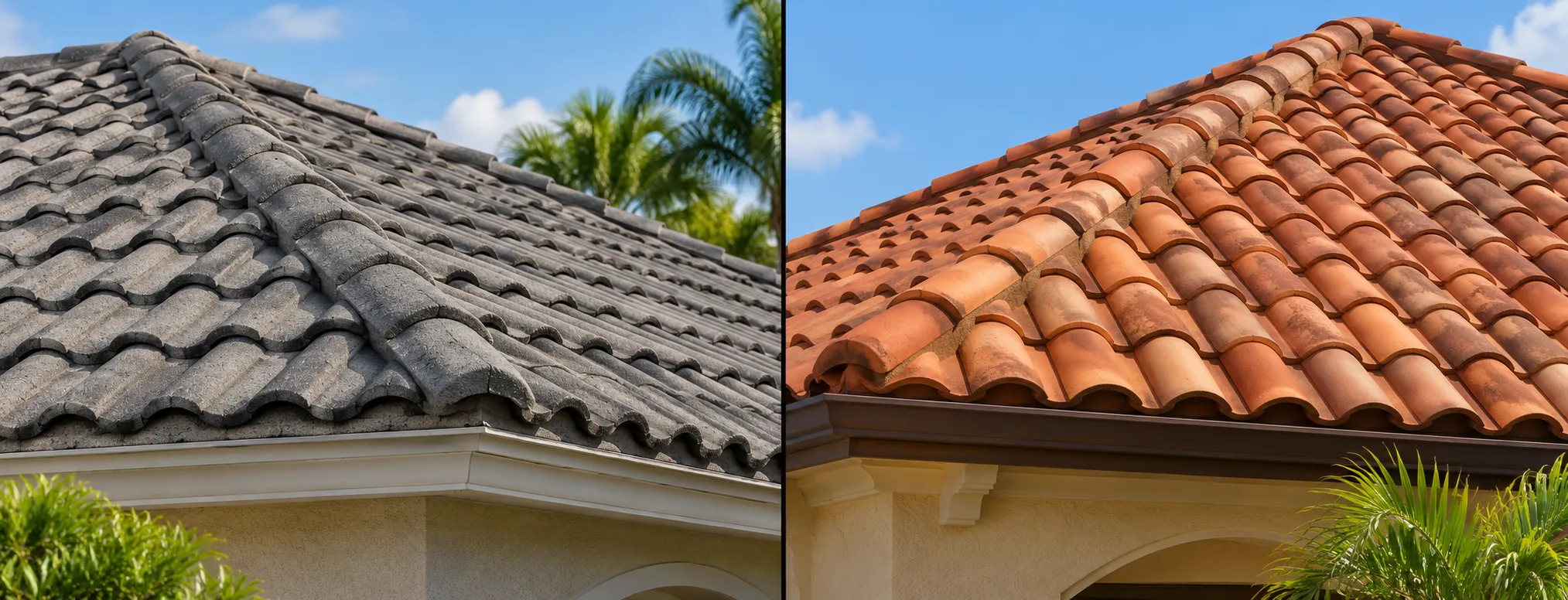
Both materials are used in tile roofing, but their composition and appearance differ. A contractor can help compare specific products rather than making a decision based on the material name alone.
How Are Concrete and Clay Tiles Made?
Concrete tiles are formed from a cement-based mixture and can be produced in different profiles and colors. Clay tiles are shaped from natural clay and fired. Their color and finish options depend on the clay and manufacturing process.
The Tile Roofing Industry Alliance notes that both concrete and clay tiles come in a range of shapes, profiles, and colors. Ask to see the actual product options under consideration, since the look and specifications can vary by manufacturer and model.
Do Concrete and Clay Tiles Look Different Over Time?
Appearance depends on the product’s color, finish, and exposure. Clay tile color can come from the clay itself or from a finish, while concrete tile colors may use pigments. Sunlight, weather, and the home’s surroundings can affect how a roof looks over time.
Ask the manufacturer or roofing contractor how the selected tile’s color and finish are expected to age and what care is recommended. Concrete tile may also develop a temporary surface condition called efflorescence. The Tile Roofing Industry Alliance says this does not damage the tile and often fades over time.
What Should Homeowners Consider Beyond Appearance?
Tile products have specific requirements for installation, slope, attachment, and underlayment. The tile itself is only one component of the roofing system, and the selected assembly must suit the home’s roof design and applicable Florida requirements.
Before choosing a profile or finish, discuss the roof structure and installation details with a qualified roofer. A professional evaluation can help determine whether the existing roof is suitable for tile or whether structural or preparation work needs consideration.
Tile Roof Lifespan and the Role of Underlayment
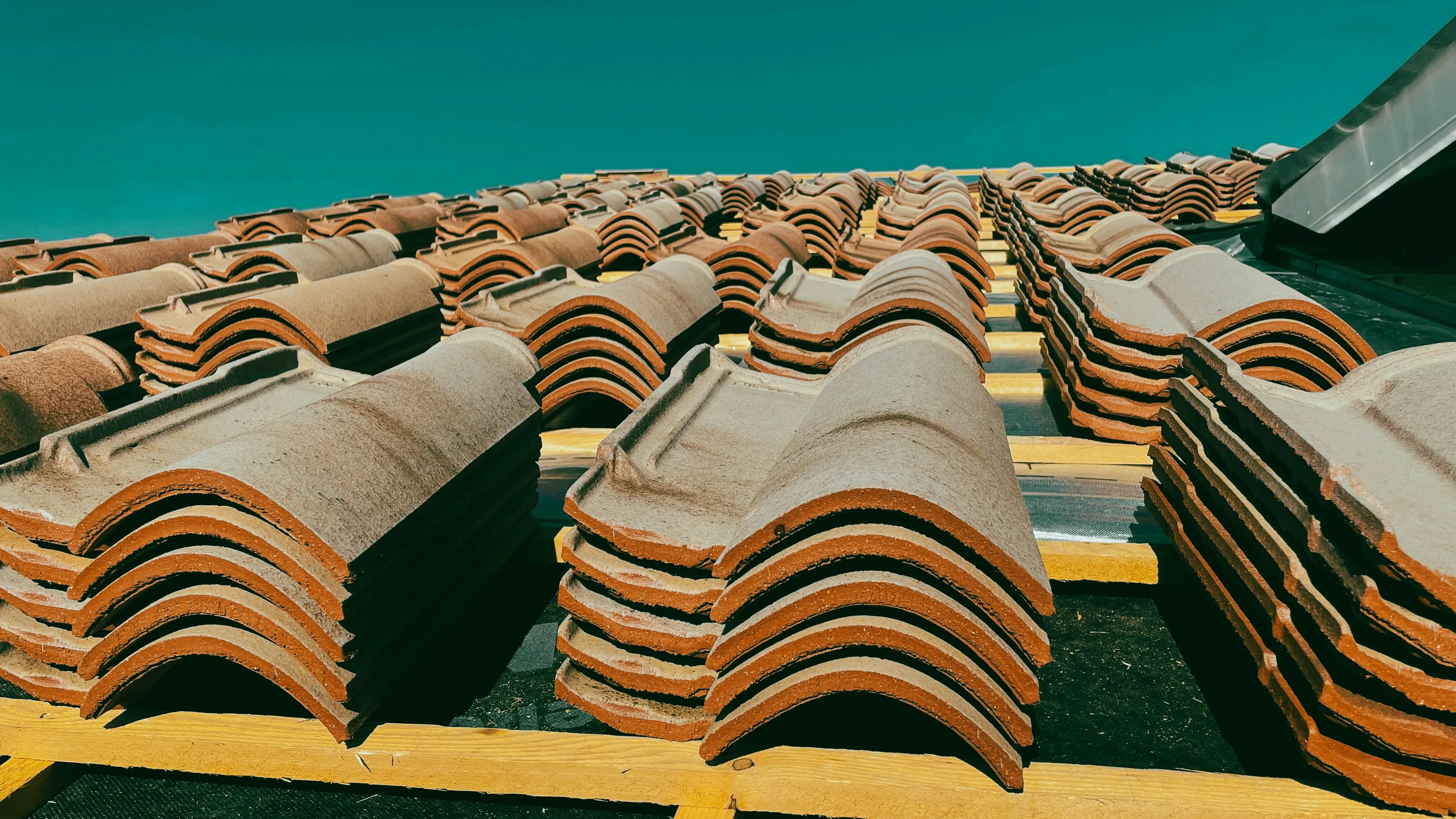
A tile roof has more than one component with its own service life. The tiles may remain in place while other materials beneath or around them need inspection or repair.
How Long Can Concrete or Clay Roof Tiles Last?
Concrete and clay tiles are designed for long service, but a roof’s actual lifespan depends on the product, installation, weather exposure, maintenance, and damage. The tiles may remain in good condition even when the underlayment or other roof components need attention.
The tile’s expected service life also should not be confused with the life of every component beneath it. Homeowners should review the tile manufacturer’s warranty and ask what it covers, how long it applies, and whether installation requirements affect coverage.
What Does Tile Roof Underlayment Do?
Underlayment is installed beneath the tiles and helps protect the roof deck from water. Tiles shed most rain, but wind-driven rain and water reaching the layer below make the underlayment an important part of the system.
Florida’s roofing requirements connect tile installation and underlayment choices to the applicable code, roof conditions, manufacturer instructions, and Florida’s high-wind tile installation guidance. The precise assembly can vary by product, roof slope, and location, so a contractor should identify the system proposed for the home.
Can Underlayment Need Attention Before the Tile?
Yes. Tiles may still appear intact while underlayment or flashing needs evaluation. Signs such as recurring leaks, moisture in the attic, or deterioration around roof openings deserve professional inspection. A roof’s age alone does not confirm which component has failed.
Ask the roofer to explain whether the recommended work concerns isolated tiles, underlayment, flashing, or a broader roof replacement. GenX Roofing lists tile roof repair, installation, replacement, inspection, and maintenance services.
How to Choose a Tile Roofing Company in Florida
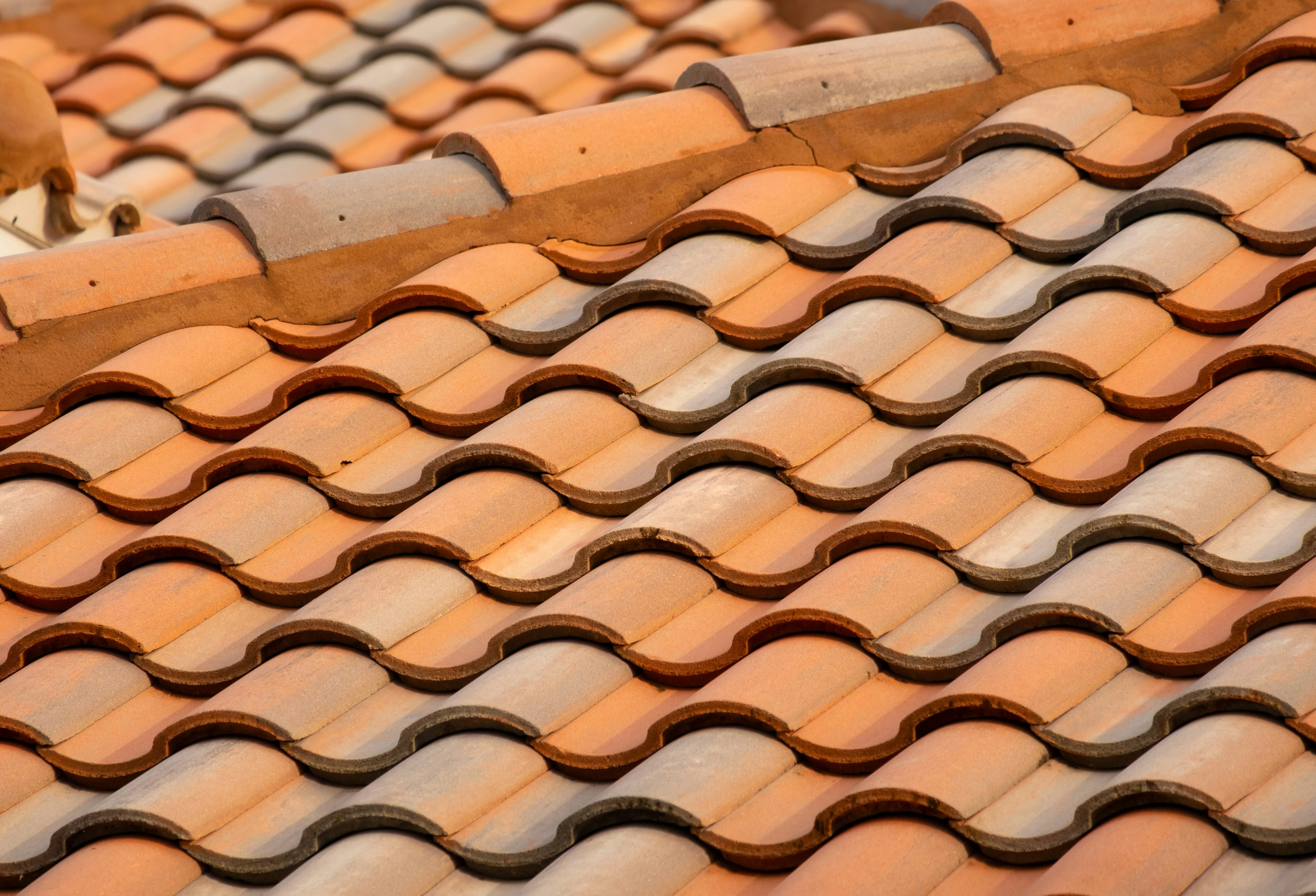
Choosing a tile system and contractor is a project-specific decision. Look for clear explanations about the product, installation, assembly, and recommended work.
What Tools Can Help You Check Product Information?
The Florida Building Commission’s Product Approval Search lets users look up product approvals by manufacturer, product description, or approval number. Ask the roofer for the product information needed to check the proposed tile or roofing assembly. The search is a reference tool; the contractor and local building officials can help confirm how approval requirements apply to a specific project.
Keep copies of the product documents, written scope, permit information, and warranty details. Having those records makes it easier to understand what was installed and which care instructions apply.
What Does GenX Roofing Offer for Tile Roofs?
GenX Roofing is based in Lutz and serves Tampa Bay properties. The company lists tile among its roof installation options and provides residential and commercial roofing services, including repair, replacement, inspection, and maintenance. GenX reports more than 20 years of roofing and construction experience and lists Florida license CCC1333347.
When contacting a roofing company, share your address, the type of concern, and whether you know the tile material or roof age. GenX Roofing can discuss an assessment and explain the roofing work its team recommends for the property.
Frequently Asked Questions
Does a Tile Roof Inspection Require Removing Tiles?
Not every inspection involves removing tiles. The inspection approach depends on the concern and what can be assessed safely and reliably. If the condition of the underlayment cannot be confirmed from visible areas, ask the roofer what further evaluation may be appropriate.
What Should I Do if I Notice a Few Cracked Tiles?
Avoid climbing onto the roof. Photograph what you can safely see from the ground and contact a roofing professional to inspect the area. A cracked tile may be localized, but the contractor should check whether nearby tiles, flashing, or underlayment are also affected.
How Long Does It Take to Replace a Tile Roof?
The schedule depends on roof size, the tile system, weather, tear-off needs, and any repairs discovered during the project. GenX Roofing publishes a typical 1-to-3-day range for most residential roof installations, but that general estimate is not specific to every tile roof. Ask for a project schedule based on your home and the proposed scope.
Can I Change From Shingles to Tile During a Roof Replacement?
Possibly, but the home and roof structure need evaluation before changing materials. Ask the contractor whether the structure, roof design, and applicable product requirements support the selected tile system. The assessment should address the complete installation, not just the new tile covering.
Conclusion
Concrete and clay tiles offer homeowners distinct material and design choices, but the tile is only one part of the roof. Underlayment, flashing, installation requirements, and inspection findings all matter when planning installation, repair, or replacement.
Ready to explore tile roofing for your home? Contact GenX Roofing to schedule a free estimate and discuss concrete or clay tile options for your property!