 Post by
 Maintaining your roof is critical to protecting your home from leaks, structural damage, and weather-related deterioration. Homeowners in Florida and Missouri face unique challenges such as intense heat, humidity, and severe storms, which can accelerate wear on asphalt shingle roofs and other roofing systems. Recognizing early warning signs of damage can prevent minor issues from becoming costly repairs or full roof replacements. Professional roof repair services, such as those provided by GenX Roofing, ensure safe, high-quality interventions. This guide covers the top ten indicators that your roof may require repair or replacement, practical inspection tips, and strategies for maintaining a durable roofing system. Understanding these signs and acting promptly helps protect your investment and home.
Key Takeaways
- Early detection of roof damage signs, such as water stains, missing shingles, or mold, helps prevent costly repairs and structural issues in Florida and Missouri homes.
- Professional roof inspections, especially after severe weather or seasonally, ensure problems are identified and addressed promptly.
- Routine maintenance, including cleaning gutters, trimming overhanging branches, and checking flashing, preserves roof integrity and prolongs lifespan.
- Utilizing a roof inspection checklist allows homeowners to systematically track roof condition and prioritize repairs efficiently.
- Partnering with licensed contractors like GenX Roofing ensures expert evaluation, repair, and replacement services for long-term roofing protection.
Key Signs of Roof Damage
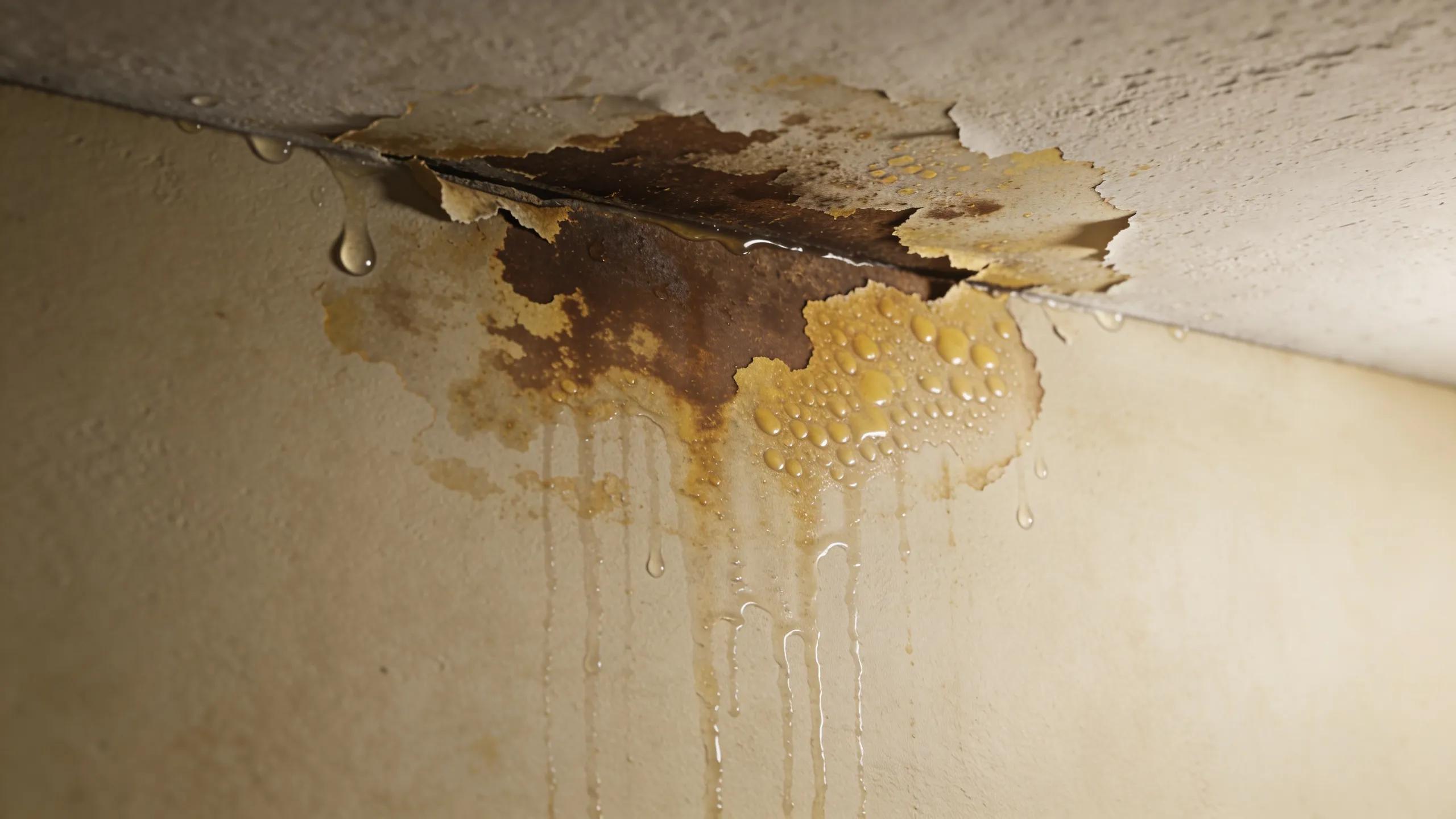
Identifying roof damage early helps prevent leaks, mold growth, and structural deterioration. These key indicators signal when professional attention is necessary. GenX Roofing provides expert roof inspections and repairs for Florida and Missouri homeowners, helping ensure long-term protection.
Water Stains on Ceilings or Walls
Water stains are often the first visible sign of roof leaks. Ignoring them can lead to structural damage, mold growth, and interior issues.
- Discoloration, streaks, or dark spots on ceilings
- Damp insulation or attic areas
- Recurring stains after storms or heavy rain
- Document affected areas for assessment
- Schedule professional repair promptly
Missing or Damaged Shingles
Cracked, curled, or missing shingles compromise water resistance and wind protection. Timely replacement prevents further damage.
- Inspect roof slopes for damaged shingles
- Check ridge caps and roof edges
- Identify shingles lifted by storms or wind
- Replace compromised shingles immediately
- Schedule professional evaluation for extensive damage
Mold, Mildew, and Moisture Issues
Mold or mildew indicates moisture intrusion, which can degrade materials and pose health risks. Early remediation is essential.
- Look for black or green mold on roofing surfaces
- Monitor musty odors in the attic
- Inspect insulation for moisture accumulation
- Schedule professional remediation if detected
- Maintain proper ventilation to prevent recurrence
How Can Homeowners Use a Roof Inspection Checklist

A structured checklist helps homeowners systematically evaluate their roof for damage, track issues over time, and schedule repairs efficiently. Professional inspections complement these efforts for thorough assessment.
Visual Inspections
Visual checks identify obvious problems such as sagging areas, damaged shingles, or compromised flashing.
- Examine all roof slopes
- Inspect flashing around chimneys, vents, and skylights
- Check valleys, low points, and roof edges
- Take photos for documentation
- Conduct inspections after storms
Moisture Detection Tools
Tools like moisture meters and thermal imaging detect leaks without causing additional damage.
- Locate hidden water intrusion
- Monitor attic insulation for dampness
- Evaluate roofing layers for moisture
- Prioritize repairs based on readings
- Reduce risk of structural damage
Targeted Inspection Areas
Some roof areas are more prone to damage and require careful evaluation. GenX Roofing inspects these critical zones to prevent overlooked issues.
- Roof valleys and low-slope sections
- Flashing around chimneys and vents
- Skylights and roof-to-wall intersections
- Roof edges and overhangs
- Sections exposed to high wind or debris
Recommended Maintenance Practices
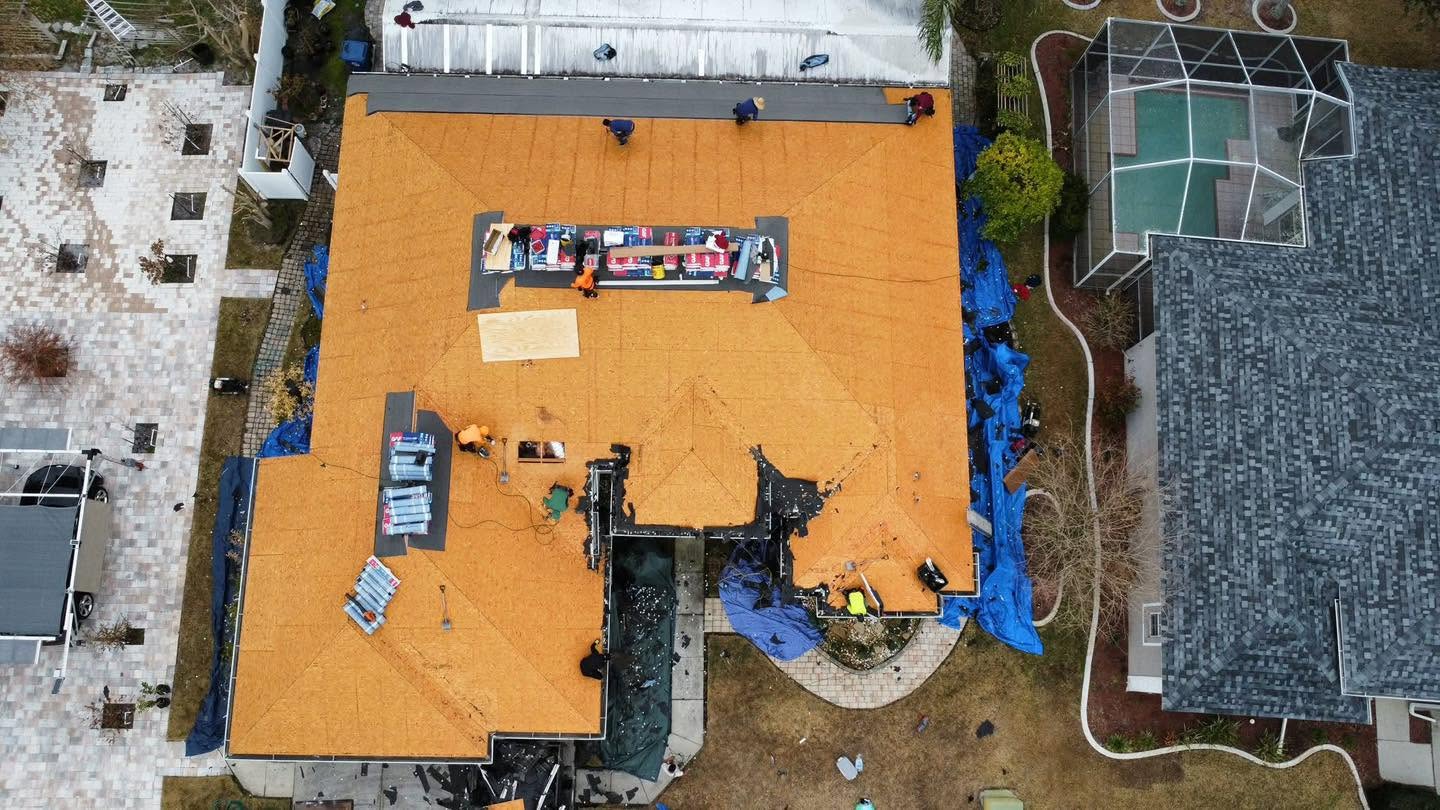
Routine maintenance preserves roof integrity, extends lifespan, and reduces the likelihood of emergency repairs.
Schedule Regular Inspections
Professional inspections at least twice yearly, especially before and after hurricane season, identify issues early.
- Inspect in spring and fall
- Conduct post-storm evaluations
- Track all maintenance and repairs
- Identify early signs of wear or damage
- Engage professionals for hard-to-reach areas
Prompt Repairs
Addressing leaks, damaged shingles, and flashing issues immediately prevents minor problems from escalating.
- Repair leaks as soon as they appear
- Replace damaged shingles
- Fix compromised flashing around vents or chimneys
- Mitigate water intrusion in attic spaces
- Schedule professional roof repair in Tampa Bay when needed
Seasonal and Preventive Maintenance
Gutter cleaning, debris removal, and trimming branches reduce water retention and prevent premature deterioration.
- Keep gutters and downspouts clear
- Remove leaves, branches, and debris from roof surfaces
- Inspect for moss or algae buildup
- Ensure proper drainage and ventilation
- Follow contractor recommendations for seasonal care
When to Consider Roof Replacement

If damage is widespread, shingles are nearing the end of their life, or structural issues are present, a full roof replacement may be necessary. GenX Roofing provides expert evaluations to help homeowners determine whether repair or replacement is the best course of action for Florida and Missouri properties.
Signs You May Need Full Replacement
- Multiple shingles are missing, cracked, or curled
- Repeated leaks despite previous repairs
- Extensive flashing or underlayment failure
- Sagging roof decks or structural concerns
- Roof age approaching material lifespan
Benefits of Professional Roof Assessment
- Accurate evaluation of roofing system condition
- Recommendations for repair versus full replacement
- Guidance on high-quality, durable roofing materials
- Compliance with Florida and Missouri building standards
- Peace of mind and long-term investment protection
Planning for a Roof Replacement
- Choose materials suitable for climate, such as asphalt shingles or metal
- Schedule work during dry, mild seasons for best installation conditions
- Use professional contractors like GenX Roofing for proper installation
- Ensure inspections and maintenance continue post-replacement
- Track roof health for future preventative care
Frequently Asked Questions
How often should I have my roof inspected?
It is recommended to schedule a professional roof inspection at least once a year. Additionally, inspections should happen after any severe weather event such as heavy rains or strong winds, and whenever you notice signs of damage like missing shingles or water stains indoors. Regular inspections help detect potential problems early, ensuring your roof maintains its integrity and reducing the risk of costly repairs in the future.
What should I do if I find signs of roof damage?
If you discover signs of roof damage during your assessment, it is crucial to address them promptly. Document the issues you’ve found and consult with a roofing professional to evaluate the extent of the damage. Depending on their assessment, you may either need repairs or a replacement. Taking immediate action can prevent more extensive damage and higher costs down the line.
How long does a roofing installation or repair typically take?
The duration of a roofing installation or repair project can vary significantly based on factors like the size of your roof, the extent of repairs needed, and the type of materials selected. Generally, minor repairs can take a few hours to a day, while complete roof replacements may span several days to a week. Professional roofing contractors will provide a timeline based on your specific job requirements during their consultation.
What materials are commonly used for roofing, and how do they differ?
Common roofing materials include asphalt shingles, metal, tile, and wood. Asphalt shingles are popular due to their affordability and ease of installation. Metal roofs are durable and energy-efficient, while tile roofs offer longevity and a distinct aesthetic. Each material carries different costs, lifespans, and maintenance requirements, so it’s important to consider these factors when choosing the right roofing option for your home.
Conclusion
Recognizing the early signs of roof leaks and damage, from water stains and missing shingles to mold growth, is essential to protect your home and avoid costly repairs. Regular inspections, prompt maintenance, and timely repairs ensure roofing systems remain durable and energy-efficient. GenX Roofing provides professional roof repair services in Florida and Missouri, helping homeowners determine whether repair or full roof replacement is needed. Acting quickly mitigates structural damage, improves safety, and prolongs roof lifespan. Combining proactive maintenance with expert services ensures homes are well-protected against the challenges of Florida and Missouri climates. Schedule an inspection today to safeguard your roofing investment.