 Post by
 A commercial roof leak can quickly become a serious business concern when water reaches ceilings, insulation, equipment, inventory, or interior spaces. Florida businesses face additional roofing challenges from intense heat, humidity, heavy rainfall, and severe storms, making prompt leak detection and professional repairs especially important. Understanding where commercial roof leaks commonly develop, what warning signs to watch for, and how professional repair services address the underlying problem can help property owners protect their buildings. This guide explains the key considerations for commercial roof leak repair, from identifying early warning signs to planning professional repairs and preventing recurring issues.
Key Takeaways
- Commercial roof leaks can originate from damaged roofing materials, flashing, seams, drainage areas, or other vulnerable components.
- Florida’s heat, humidity, heavy rainfall, and severe storms can place ongoing stress on commercial roofing systems.
- Interior water stains and damp areas should not be ignored because visible moisture may indicate a larger roofing problem.
- Professional leak assessments help identify the source of water intrusion and determine the appropriate repair approach.
- Preventive inspections and timely repairs can help Florida businesses maintain reliable roof performance and protect their properties.
What Are the Most Common Causes of Commercial Roof Leaks?
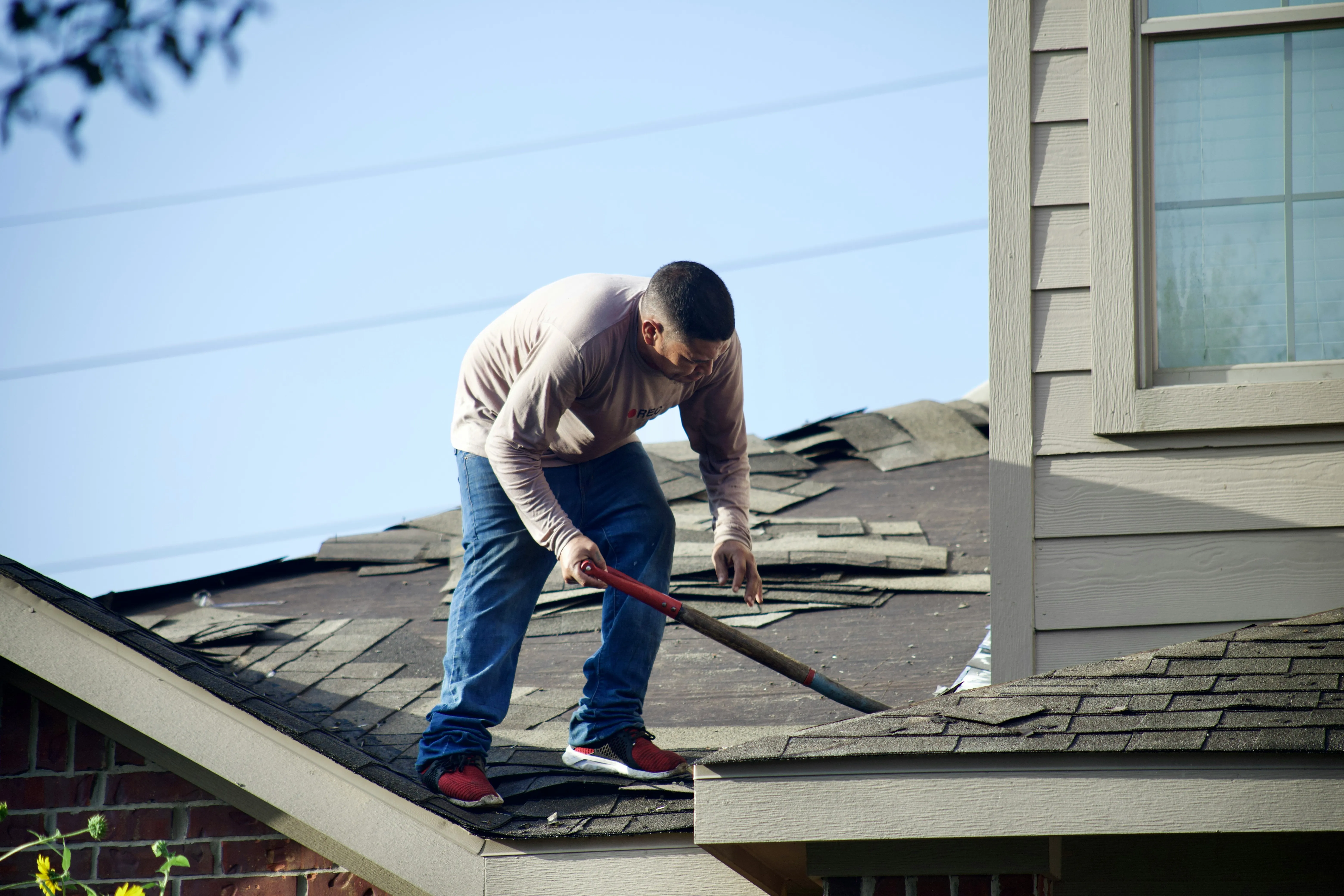
Commercial roof leaks can develop for several reasons, and the visible location of water inside a building may not always reveal where the roofing problem originated. Water can travel along roofing components before entering the interior, making professional assessment important when a leak appears.
Florida’s weather can also accelerate deterioration. Prolonged sun exposure, heavy rainfall, humidity, and storms can affect roofing materials and vulnerable areas of a commercial roof. Understanding common causes helps property owners recognize potential problems and respond appropriately.
How Can Damaged Roofing Materials Cause Leaks?
Roofing materials create the primary protective barrier between a commercial building and the weather. Cracks, punctures, deterioration, or displaced materials can create openings where water can enter the roofing system.
Common concerns include:
- Damaged or deteriorated roofing materials
- Punctures caused by external impacts
- Areas affected by severe weather
- Material deterioration from prolonged exposure
- Openings that allow moisture beneath the roof surface
A professional inspection can determine whether the affected area requires a localized repair or a more extensive evaluation.
Why Are Flashing and Roof Penetrations Common Leak Points?
Flashing protects areas where different roofing components meet and where the roof intersects with features such as vents and other penetrations. When flashing becomes damaged, displaced, or deteriorated, water may find a path into the roofing system.
These areas deserve particular attention because they can be exposed to repeated weather conditions. Professional evaluations can identify compromised flashing and determine whether repair or replacement of the affected component is appropriate.
How Can Drainage Problems Contribute to Commercial Roof Leaks?
Effective drainage is particularly important for commercial roofing systems. When water cannot move away from the roof properly, prolonged moisture exposure can place additional stress on roofing materials and vulnerable areas.
Property owners should watch for:
- Standing water
- Blocked drainage areas
- Water collecting around roof features
- Signs of moisture near interior ceilings
- Drainage areas that are not functioning properly
Addressing drainage concerns as part of a professional roofing assessment can help reduce ongoing moisture exposure.
What Warning Signs Indicate a Commercial Roof Leak?

A commercial roof leak does not always begin with obvious water pouring into a building. Early warning signs can be subtle, especially when moisture initially enters the roofing assembly and travels before becoming visible indoors.
Businesses should monitor both the exterior and interior of their properties for changes. Recognizing these signs early gives property owners an opportunity to arrange a professional evaluation before the problem affects additional areas.
What Interior Signs Should Business Owners Look For?
Interior warning signs can provide important clues that moisture is entering the building through the roof. These signs may become more noticeable following heavy rainfall or storms.
Watch for:
- Water stains on ceilings or walls
- Damp or discolored ceiling materials
- Musty odors
- Peeling or deteriorating interior finishes
- Moisture around areas beneath roof penetrations
These symptoms should be evaluated rather than simply covered or cleaned, because the underlying source of moisture may still be active.
What Exterior Roofing Changes May Indicate a Leak?
Some commercial roof problems can be identified from visible changes to the roofing system. Damaged materials, deteriorated seams, compromised flashing, and areas of water accumulation can all warrant professional attention.
Property owners should document noticeable changes and communicate them to their roofing professional. Avoiding unnecessary access to the roof is also important because commercial roofing surfaces may contain areas that are unsafe to walk on without appropriate knowledge and equipment.
Why Should Businesses Pay Attention After Severe Weather?
Severe weather can create new roofing vulnerabilities or worsen existing concerns. Heavy rain and strong winds may affect roofing materials, flashing, seams, and other components.
After significant weather, businesses should consider arranging a professional evaluation if they notice:
- New interior water stains
- Visible exterior damage
- Changes around roof edges
- Water accumulation
- New or recurring moisture concerns
Prompt attention can help identify storm-related problems before they create additional disruption.
How Is a Commercial Roof Leak Professionally Repaired?
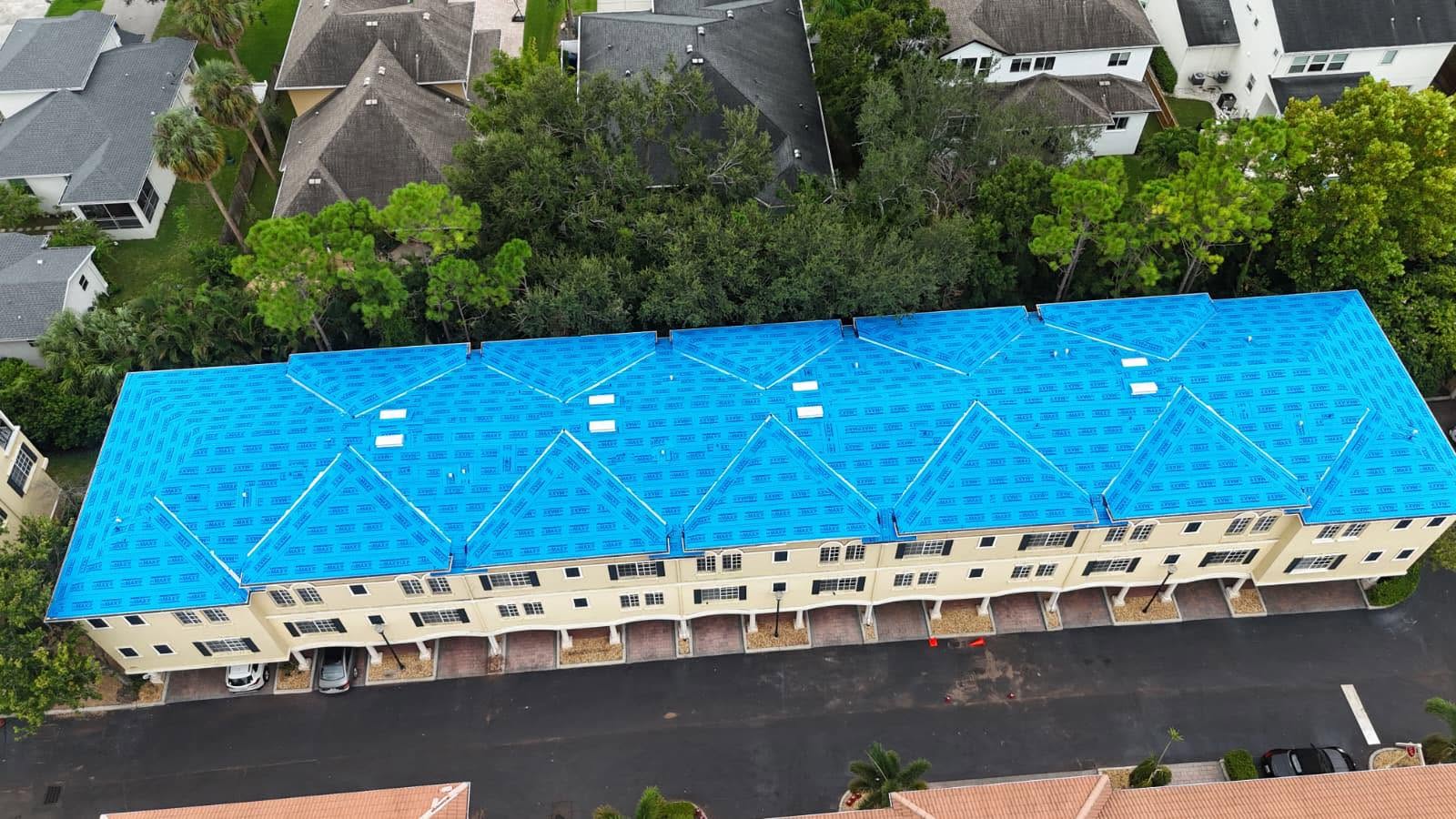
Effective leak repair begins with identifying the source of water intrusion rather than simply addressing the location where water becomes visible inside the building. A professional roofing assessment helps determine which roofing components are affected and what type of repair is appropriate.
The repair approach depends on the roofing system, location of the damage, extent of deterioration, and condition of surrounding materials. A targeted repair may be appropriate for localized damage, while broader concerns may require additional evaluation.
What Happens During a Commercial Roof Leak Assessment?
A professional assessment focuses on locating the source and understanding the condition of the affected roofing area. This allows the roofing contractor to develop a repair recommendation based on observed conditions.
The assessment may involve:
- Reviewing visible roofing damage
- Examining areas around penetrations
- Checking flashing and vulnerable connections
- Looking for signs of moisture intrusion
- Evaluating surrounding roofing materials
This process helps distinguish an isolated concern from a broader roofing issue.
When Is Targeted Commercial Roof Repair Appropriate?
Targeted repair can be appropriate when the roofing problem is limited to a specific area and the surrounding system remains in suitable condition. The exact repair depends on the roofing material and the nature of the damage.
Examples may include:
- Repairing localized damage
- Addressing compromised flashing
- Repairing affected roofing sections
- Correcting specific moisture entry points
A professional assessment should determine whether a targeted repair is appropriate rather than assuming every leak requires extensive work.
When Should a Larger Roofing Evaluation Be Considered?
Some leaks may be symptoms of broader deterioration. Recurring leaks, widespread material damage, or multiple affected areas may indicate that the roofing system requires a more comprehensive evaluation.
Important considerations include:
| Consideration | Why It Matters |
|---|---|
| Recurring leaks | May indicate an unresolved underlying issue |
| Widespread deterioration | Could affect multiple areas of the system |
| Storm damage | May extend beyond the visibly damaged section |
| Roofing system condition | Helps determine the appropriate long-term approach |
A comprehensive evaluation gives business owners a clearer understanding of the roof’s condition before deciding on the next step.
How Can Florida Businesses Prevent Recurring Commercial Roof Leaks?

Repairing a leak is only one part of protecting a commercial roofing system. Preventive maintenance and routine inspections can help businesses identify developing concerns before they become active leaks.
Florida’s climate makes proactive roof care particularly valuable. Regular exposure to heat, humidity, rainfall, and storms can gradually affect roofing materials even when no immediate problem is visible.
How Often Should Commercial Roofs Be Professionally Evaluated?
There is no single inspection schedule that applies to every commercial property. Roof age, material, building design, environmental exposure, and previous repairs can all influence appropriate inspection frequency.
Professional evaluations are especially useful:
- After significant storms
- When new interior moisture appears
- When roofing materials show visible deterioration
- When drainage problems develop
- As part of ongoing property maintenance
Regular evaluations help property owners monitor changes in roof condition over time.
What Maintenance Practices Help Protect Commercial Roofs?
Preventive maintenance should focus on keeping the roofing system and its supporting components in good condition. Property owners should avoid waiting for an active leak before evaluating their roof.
A maintenance strategy may include:
- Monitoring drainage performance
- Checking for visible roofing deterioration
- Addressing identified damage promptly
- Scheduling professional inspections
- Keeping records of previous roofing work
How Does GenX Roofing Help Florida Businesses With Roof Leaks?
GenX Roofing provides professional commercial roofing services in Florida, including roof evaluations and repair solutions for businesses dealing with roofing concerns. Their approach focuses on assessing the affected roofing system and identifying the appropriate repair needs.
For commercial property owners, professional support can help with:
- Evaluating suspected roof leaks
- Identifying affected roofing components
- Addressing localized roofing damage
- Planning appropriate repair solutions
The goal is to help Florida businesses maintain dependable roofing systems and protect their properties from ongoing moisture-related concerns.
Frequently Asked Questions
Can a commercial roof leak be difficult to locate?
Yes. Water can travel through roofing assemblies before becoming visible inside a building, so the location of an interior stain may not correspond directly with the source of the leak. Professional evaluation can help identify the area requiring attention.
Should a business wait until water is visible inside before calling a roofer?
No. Visible interior water is already a sign that moisture may have entered the building. New stains, damp areas, or other indications of moisture should be evaluated promptly to determine whether the roofing system has been compromised.
Can heavy Florida rain make an existing roof leak worse?
Yes. Heavy rainfall can increase the amount of water reaching an already compromised roofing area. Addressing known roofing concerns before periods of severe weather can help reduce the potential for additional moisture intrusion.
Does every commercial roof leak require extensive repairs?
Not necessarily. The appropriate repair depends on the source and extent of the problem and the condition of the surrounding roofing system. A professional assessment can determine whether a localized repair is appropriate or whether additional evaluation is needed.
What should a business do if it discovers a roof leak?
Business owners should document visible signs of water intrusion, protect affected interior areas where appropriate, and arrange a professional roofing evaluation. Prompt assessment helps identify the source and determine the appropriate repair approach.
Conclusion
Commercial roof leaks can disrupt business operations and expose buildings to ongoing moisture-related concerns, making early detection and professional repair important for Florida property owners. Understanding common leak sources, recognizing interior and exterior warning signs, and arranging timely evaluations can help businesses respond before roofing problems become more extensive. Florida’s heat, humidity, heavy rainfall, and severe storms make consistent roof care especially important throughout the year. For businesses seeking commercial roof repair services in Florida, a professional assessment provides a clearer understanding of the roofing system and the repairs it may require. GenX Roofing helps Florida businesses address commercial roofing concerns through professional evaluations and repair solutions tailored to the condition of each property.