 Post by
 In Florida’s demanding construction environment, choosing cost-effective roofing materials is about more than lowering upfront expenses. Contractors and property owners in Tampa Bay must balance durability, code compliance, storm resistance, and long-term value. The right material can reduce lifecycle costs, improve energy performance, and increase property value. With decades of combined industry experience, GenX Roofing helps homeowners and commercial property owners evaluate roofing systems based on performance, budget, and Florida-specific risk factors. This guide outlines a strategy-first approach to material selection, so your next roofing project is built for both savings and strength.
Key Takeaways:
- Choosing cost-effective roofing materials in Florida requires evaluating total lifecycle value rather than focusing only on upfront pricing. Long-term durability, storm resistance, and energy efficiency directly determine the true return on investment.
- Tampa Bay’s climate demands roofing systems designed to withstand extreme heat, humidity, salt exposure, and hurricane-force winds. Selecting materials that meet Florida building codes is essential for structural protection and compliance.
- Asphalt, metal, and synthetic roofing systems each offer unique advantages depending on budget, property type, and performance goals. Understanding installation requirements and maintenance expectations prevents unexpected long-term costs.
- Professional installation plays a critical role in maximizing the lifespan and warranty protection of any roofing system. Proper fastening methods, ventilation design, and code compliance significantly impact overall roof performance.
- GenX Roofing provides inspections, repairs, and full roof replacements tailored specifically to Florida’s environmental demands. A strategy-first approach helps property owners make informed decisions that balance performance, protection, and long-term value.
What Are the Most Cost-Effective Roofing Materials for Contractors?
Selecting cost-effective roofing materials requires evaluating total lifecycle performance rather than just material price per square. In Tampa Bay, heat, humidity, salt exposure, and hurricane season significantly influence material durability and code requirements. Asphalt shingles, metal roofing systems, and advanced synthetic products remain among the most common choices. Each option has different installation requirements, maintenance expectations, and warranty structures. GenX Roofing installs and replaces residential and commercial roofing systems designed to meet Florida building codes while balancing long-term value and structural integrity.
Asphalt Shingles for Residential Efficiency
Asphalt shingles remain one of the most widely used roofing systems in Florida residential construction due to affordability and installation efficiency. They are especially attractive for homeowners seeking a balance between budget and performance. However, in Florida’s climate, proper ventilation and underlayment selection are critical to maximize lifespan.
Key Considerations:
- Require routine inspections after major storms
- Available in architectural and dimensional styles
- Wind ratings vary by manufacturer and installation method
- Heat reflective options can improve energy performance
- Florida-approved underlayments are required for compliance
- Proper flashing installation impacts durability
- Warranty coverage depends on certified installation practices
Lifespan Expectations in Florida Conditions
In Tampa Bay’s climate, asphalt shingles typically last 15 to 25 years, depending on ventilation and storm exposure. High heat and humidity can shorten performance if attic airflow is inadequate.
Maintenance Considerations
Regular inspections after heavy rain or wind events help prevent minor damage from developing into leaks. Early repair protects underlying decking and structural components.
Metal Roofing as a Long-Term Investment
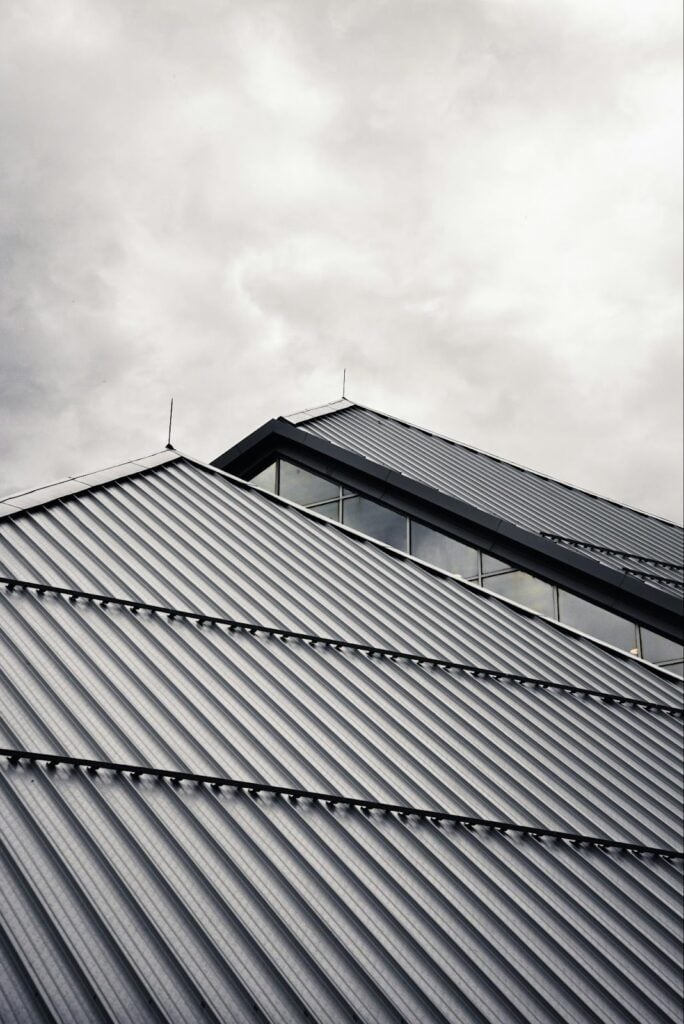
Metal roofing systems offer strong wind resistance and long service life, making them a high-performing option for Florida properties. While the initial investment is higher than that of asphalt, lifecycle costs can be lower due to durability and reduced maintenance. GenX Roofing installs metal roofing systems designed for Florida’s coastal conditions and severe weather exposure.
Performance Advantages:
- Resist rot and insect damage
- Reflect solar heat and improve energy efficiency
- Standing seam systems provide strong wind uplift resistance
- Corrosion-resistant coatings protect against salt air
- Fire resistance ratings are typically Class A
- Lightweight panels reduce structural load
- Long manufacturer warranties enhance long-term value
Energy Efficiency Advantages
Metal roofing reflects radiant heat, which can reduce cooling loads in Florida homes and commercial buildings.
Storm and Wind Performance
Properly fastened metal systems can meet high wind uplift requirements in hurricane-prone areas. Engineering and fastening schedules are critical for compliance.
Synthetic Roofing Materials for Balanced Performance
Synthetic roofing materials are engineered alternatives designed to replicate slate or shake while offering improved weight and durability characteristics. These materials can provide an extended lifespan with less structural stress. GenX Roofing evaluates synthetic systems when homeowners seek aesthetic appeal combined with resilience.
Material Benefits:
- Engineered to resist moisture absorption
- Lightweight compared to natural slate
- Impact-resistant ratings available
- Designed for improved UV stability
- Lower maintenance than wood shake
- Often includes extended manufacturer warranties
- Available in multiple architectural styles
Aesthetic Flexibility
Synthetic products can mimic premium roofing materials without requiring structural reinforcement.
Installation Precision
Proper fastening and underlayment selection are essential to ensure performance under Florida storm conditions.
How Do Cost-Effective Roofing Materials Impact Project Budgets?
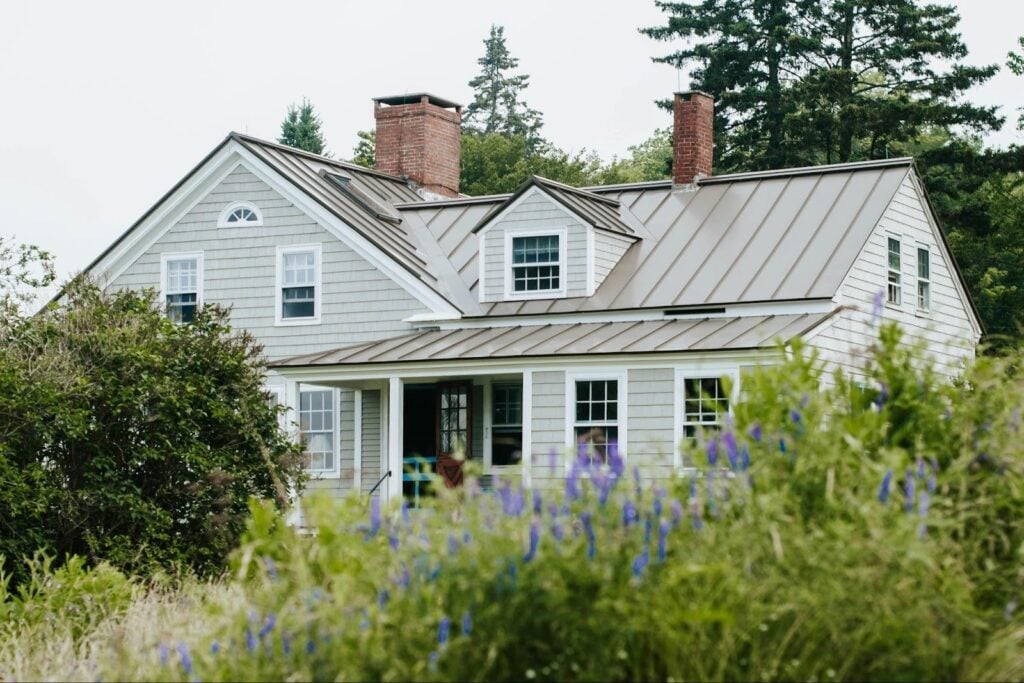
Cost-effective roofing materials influence both immediate project cost and long-term financial performance. A strategy first evaluation considers installation labor, material lifespan, storm resilience, insurance implications, and future repair risk. In Tampa Bay, storm damage potential must be factored into material selection. GenX Roofing provides roof inspections, replacements, and repairs that align material performance with property goals and budget expectations.
Upfront Cost Versus Lifecycle Value
Choosing the lowest-priced material does not always produce the lowest overall expense. Durable systems often reduce repair frequency and replacement cycles.
Lifecycle Value Factors:
- Longer lifespan reduces replacement frequency
- Fewer repairs lower maintenance costs
- Energy-efficient materials may reduce utility expenses
- Insurance premiums can be influenced by roof type
- Warranty coverage provides financial protection
- Storm resilience lowers post hurricane repair risk
- High-quality installation protects structural investment
Evaluating Total Cost of Ownership
A lifecycle approach calculates cost per year of service rather than cost per square alone.
Labor and Installation Variables
Installation complexity directly impacts project timelines and labor expense.
Labor Impact Considerations:
- Asphalt shingles typically allow faster installation
- Metal systems require precision alignment and fastening
- Synthetic materials may require manufacturer-specific training
- Flashing and underlayment choices influence labor time
- Steep slopes increase installation complexity
- Code compliance inspections can impact scheduling
- Weather delays affect overall cost projections
Code Compliance in Florida
Florida building codes require specific fastening patterns and underlayment standards to meet wind uplift ratings.
Budget Planning for Storm Resilience
In Tampa Bay, roofing selection must account for hurricane season.
Storm Preparedness Factors:
- Enhanced fastening methods improve uplift resistance
- Secondary water barriers reduce leak risk
- Impact-rated materials resist debris damage
- Proper edge metal installation prevents failure
- Routine inspections identify vulnerabilities early
- Roof deck condition affects overall performance
- Drainage design reduces standing water exposure
How Does Tampa Bay’s Climate Affect Roofing Material Selection?
Tampa Bay’s subtropical climate demands careful material selection. Heat, humidity, salt exposure, and hurricane winds all influence roof performance. Contractors and property owners must prioritize durability and compliance with Florida’s building code requirements. GenX Roofing evaluates roof systems based on environmental exposure, property type, and long-term performance goals to ensure installations meet regional demands.
Wind and Hurricane Exposure
Wind Protection Requirements:
- High wind uplift ratings protect structure
- Engineered fastening schedules ensure stability
- Impact resistance reduces storm debris damage
- Roof geometry influences wind behavior
- Edge details prevent peel up failure
- Proper underlayment prevents water intrusion
- Post-storm inspections protect warranties
Uplift Testing Standards
Florida approved systems must meet rigorous testing protocols for wind resistance.
Heat and UV Degradation
Heat Resistance Factors:
- UV-resistant coatings protect surface layers
- Reflective materials reduce attic heat gain
- Proper ventilation improves shingle performance
- Thermal expansion must be considered in metal systems
- Moisture barriers reduce condensation risk
- Insulation coordination improves efficiency
- Regular maintenance slows degradation
Coastal Salt Air Considerations
Corrosion Prevention Measures:
- Corrosion-resistant coatings are essential
- Galvanized and aluminum components improve durability
- Stainless steel fasteners resist rust
- Routine inspections identify early corrosion
- Proper flashing protects vulnerable joints
- Ventilation reduces moisture accumulation
- Protective sealants extend system life
What Installation and Maintenance Practices Maximize Roofing Longevity?
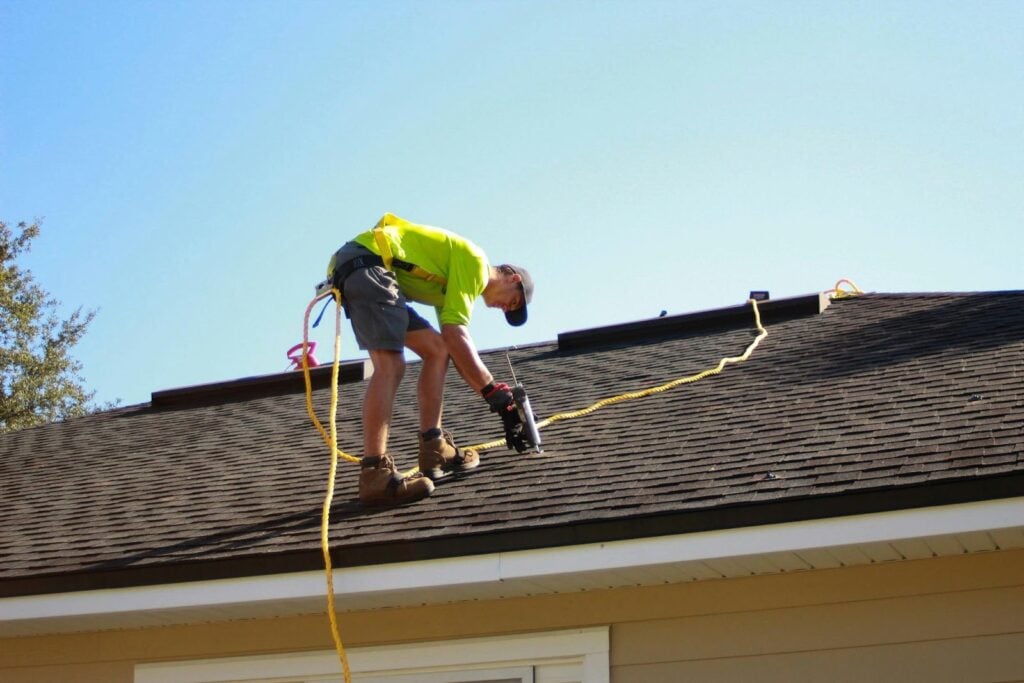
Proper installation and proactive maintenance determine how well cost-effective roofing materials perform over time. Even premium materials can fail if installed incorrectly. GenX Roofing performs professional roof replacements and repairs using manufacturer approved methods designed for Florida compliance.
Professional Installation Standards
Installation Quality Checklist:
- Accurate deck preparation ensures stable attachment
- Florida compliant underlayment systems improve protection
- Manufacturer fastening patterns must be followed
- Flashing installation prevents leak pathways
- Ventilation design supports temperature control
- Inspection checkpoints verify compliance
- Permit documentation ensures regulatory adherence
Preventative Maintenance Strategies
Ongoing Maintenance Steps:
- Annual inspections detect early damage
- Storm checks prevent hidden leaks
- Debris removal protects drainage systems
- Sealant replacement prevents flashing failure
- Gutter cleaning prevents water backup
- Prompt minor repairs reduce major costs
- Moisture testing protects roof decking
Repair Versus Replacement Evaluation
Decision Making Factors:
- Minor leaks may be repairable
- Widespread storm damage may require replacement
- Aging materials reduce repair viability
- Structural deck damage influences decisions
- Insurance claims may affect replacement timing
- Energy inefficiency may justify upgrades
- Professional inspection determines the safest option
Frequently Asked Questions
What are the most cost-effective roofing materials in Tampa Bay?
Asphalt shingles are often the most affordable upfront, while metal roofing can provide stronger long-term value due to durability. The right option depends on property type, exposure, and budget. GenX Roofing evaluates roofing systems based on Florida-specific performance requirements to recommend appropriate solutions.
Does metal roofing perform better during hurricanes?
Metal roofing systems can offer excellent wind resistance when installed correctly according to Florida building code standards. Proper fastening and engineering design are critical for storm performance.
How often should a roof be inspected in Florida?
Roofs in Tampa Bay should be inspected at least once per year and after major storm events. Regular inspections help detect wind damage, flashing issues, and early signs of deterioration.
When should I repair versus replace my roof?
If damage is isolated and the roof is relatively new, repairs may be sufficient. If the roof is nearing the end of its lifespan or has widespread storm damage, replacement may be more cost effective long-term. GenX Roofing performs roof inspections to determine the safest and most financially sound recommendation.
Conclusion
Upgrading your projects with cost-effective roofing materials requires a strategy driven approach that accounts for climate, durability, compliance, and long term value. In Tampa Bay, roofing systems must withstand intense sun, heavy rain, and hurricane force winds. Choosing the right material protects structural integrity while controlling lifetime costs. Through professional roof inspections, repairs, and replacements, GenX Roofing helps property owners make informed decisions that align with Florida’s demanding environment. Investing wisely today ensures stronger performance and greater peace of mind tomorrow.