 Post by
 Commercial roof care in Florida requires a proactive approach because businesses must contend with intense sunlight, high humidity, heavy rainfall, and severe storms throughout the year. While a commercial roofing system is designed to protect the building, its performance can be affected by weather exposure, drainage problems, damaged materials, flashing issues, and general deterioration over time. Following practical care practices can help property owners identify concerns earlier, maintain important roofing components, and determine when professional repairs or inspections are necessary. This guide covers the best practices Florida businesses can use to care for their commercial roofs, from monitoring roof conditions and managing drainage to responding to storms and working with professional roofing services.
Key Takeaways
- Consistent commercial roof care helps Florida businesses identify developing roofing concerns before they become more disruptive.
- Drainage, roofing materials, flashing, seams, penetrations, and roof edges all deserve attention as part of ongoing roof care.
- Severe Florida weather makes post-storm evaluations and timely repairs important parts of commercial property maintenance.
- Businesses should document roofing inspections, repairs, and recurring concerns to create a useful history of roof performance.
- Professional inspections and repair services can help property owners address roofing problems based on the actual condition of their commercial roof.
What Are the Best Practices for Commercial Roof Care?
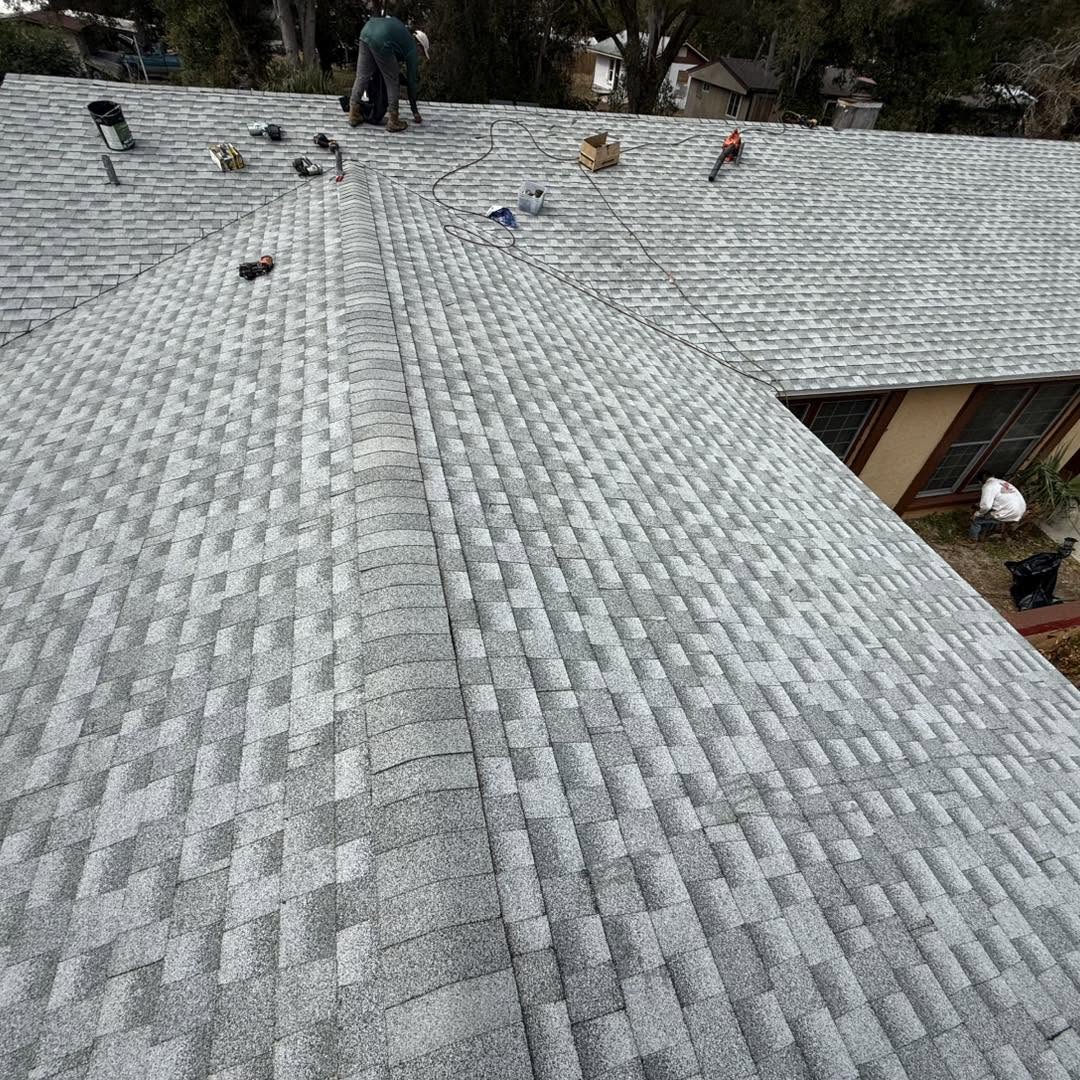
Effective commercial roof care involves more than checking for leaks. A commercial roofing system includes multiple components that work together to protect the building, and problems with one area can eventually affect another. Regular attention to roofing materials, drainage, flashing, penetrations, and other vulnerable areas can help businesses stay informed about their roof’s condition.
A practical care strategy should also account for the individual’s property. Roof type, building design, age, previous repairs, and exposure to Florida weather can all affect maintenance needs. Businesses should use professional evaluations when conditions require a closer assessment.
Monitor Roofing Materials for Changes
Roofing materials remain exposed to Florida’s heat, sunlight, humidity, rain, and storms. Over time, this exposure can contribute to visible deterioration or damage that may require professional attention.
Businesses should monitor for:
- Visible material deterioration
- Damaged or displaced roofing components
- Punctures or other surface damage
- Areas affected by severe weather
- Changes around previous repair locations
Not every visible change requires immediate repair, but unusual or worsening conditions should be professionally evaluated.
Keep Flashing and Roof Penetrations on the Checklist
Flashing and roof penetrations deserve particular attention because they involve transitions between the roofing system and other building components. These areas need to remain properly protected against moisture.
Important areas include:
- Flashing around roof penetrations
- Vents and pipes
- Roof-mounted equipment
- Seams and transitions
- Roof edges
Professional inspections can help identify deterioration or damage in these areas that may not be obvious from inside the building.
Maintain Useful Roofing Records
Good documentation makes it easier to understand how a commercial roof changes over time. Businesses should keep records of professional inspections, completed repairs, storm-related concerns, and recurring problem areas.
A useful roofing record can include:
- Inspection dates
- Areas requiring attention
- Repairs completed
- Storm-related observations
- Previous leak locations
These records provide helpful context during future inspections and can help property owners make more informed roofing decisions.
How Can Florida Businesses Protect Their Roofs From Weather?
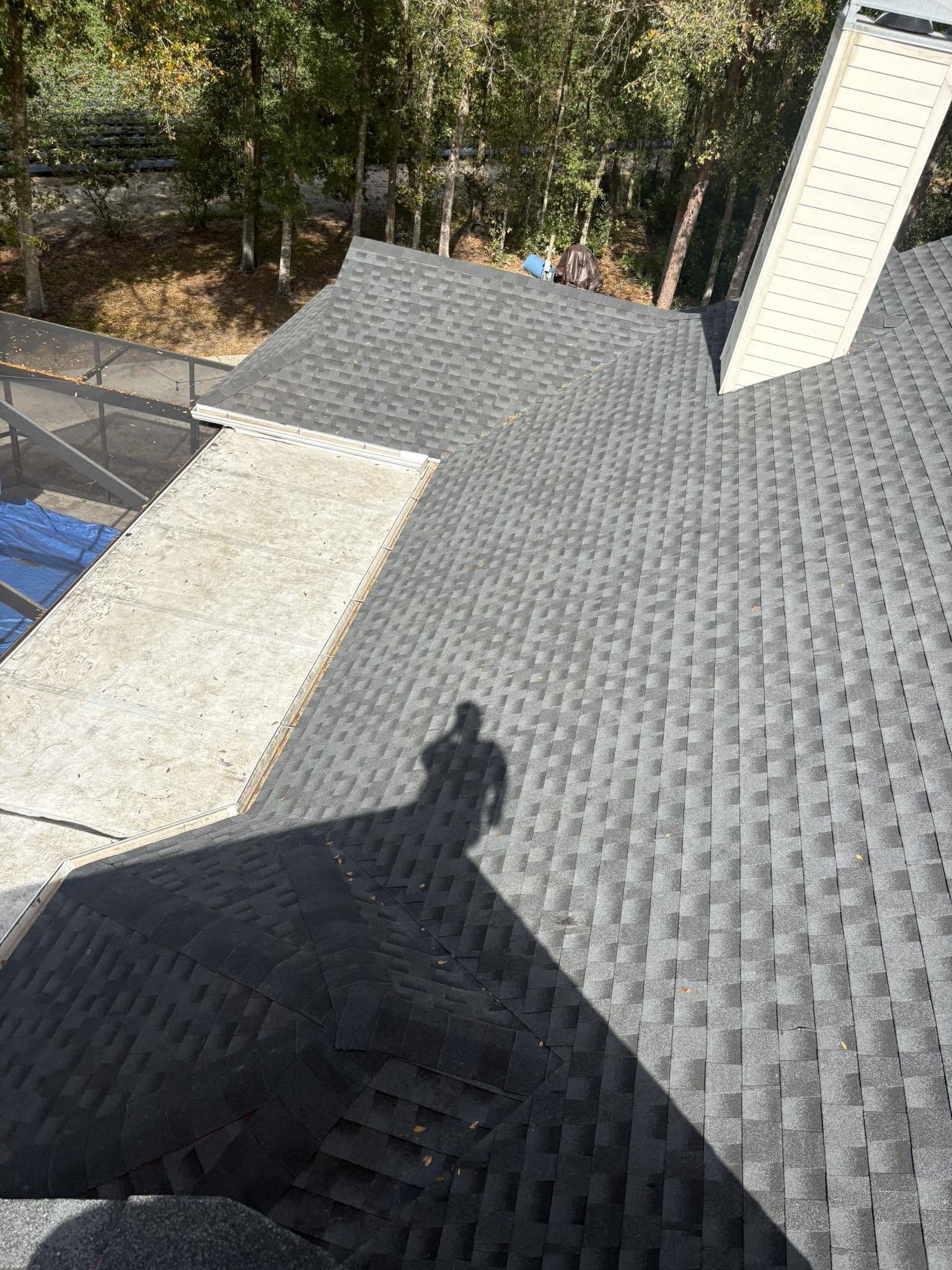
Weather is one of the biggest ongoing considerations for commercial roof care in Florida. Intense sunlight, high temperatures, heavy rainfall, humidity, and severe storms can all affect roofing systems in different ways. Businesses cannot control the weather, but they can monitor how their roofing system responds to it.
Weather-focused roof care should include both routine observation and professional evaluation when conditions warrant additional attention. Businesses should also avoid assuming that a roof is unaffected simply because no interior leak is visible.
Monitor the Roof During Periods of Heavy Rain
Heavy rainfall can reveal drainage problems or vulnerabilities that may not be noticeable during dry conditions. Water can also travel through roofing materials before appearing inside the building.
After significant rainfall, businesses should watch for:
- New ceiling stains
- Damp interior areas
- Recurring moisture
- Water accumulation
- Changes around previous repair areas
If moisture appears repeatedly after rainfall, a professional roofing evaluation can help determine where the problem originates.
Schedule Professional Evaluations After Severe Storms
Strong storms can affect roofing materials, flashing, roof edges, drainage components, and other parts of a commercial roofing system. Some damage may not produce an immediate leak.
A post-storm evaluation can help identify:
- Storm-damaged roofing materials
- Compromised flashing
- New vulnerable areas
- Drainage concerns
- Signs of potential moisture intrusion
Addressing storm-related concerns promptly can help businesses understand the condition of their roof before additional weather affects the property.
Pay Attention to Long-Term Heat and Sun Exposure
Florida’s intense sunlight and prolonged heat exposure can gradually affect roofing materials. The extent of the impact depends on the roofing system, materials, age, installation, and existing condition.
Businesses should monitor areas showing:
- Unusual surface deterioration
- Changes in material condition
- Damage that becomes more noticeable over time
- Deterioration around previously repaired sections
Professional inspections can help determine whether these changes require repair, maintenance, or continued observation.
How Can Businesses Improve Commercial Roof Maintenance?
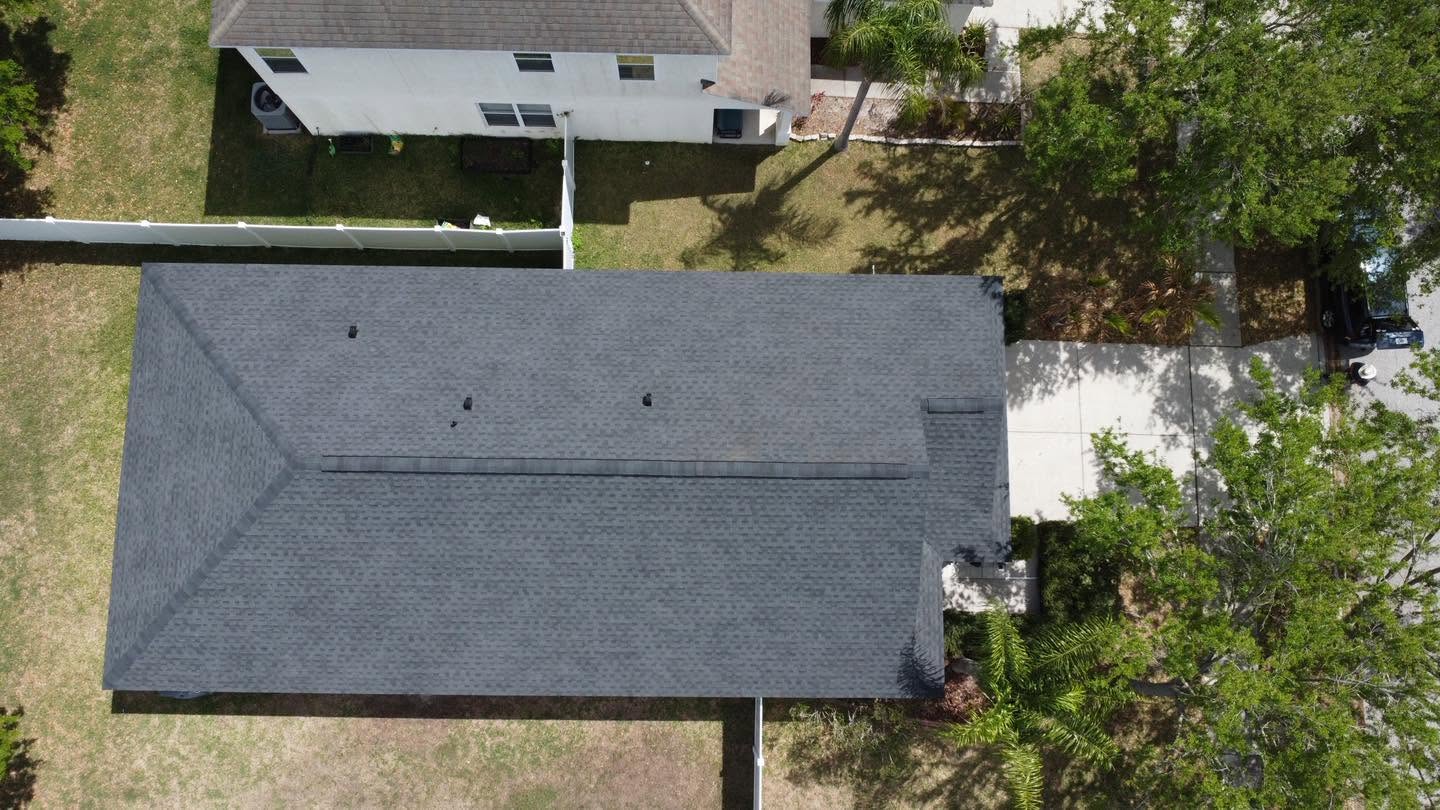
Commercial roof care works best when it is consistent rather than reactive. Businesses should establish a routine for professional evaluations, monitor known problem areas, and respond appropriately when changes are identified.
Maintenance should also be flexible. A property may require additional attention after severe weather, when a new leak develops, or when roofing materials begin showing signs of deterioration.
Establish a Consistent Inspection Routine
There is no single inspection schedule that applies to every commercial property. Roofing material, age, building design, weather exposure, and previous repair history can all affect appropriate inspection frequency.
Businesses should consider a professional evaluation when:
- New roofing concerns appear
- Severe weather affects the property
- A leak develops
- Drainage performance changes
- Roofing materials show deterioration
A professional can help businesses determine an inspection approach suited to the property.
Address Small Roofing Concerns Promptly
A minor roofing concern should not automatically be treated as an emergency, but it should not be ignored either. Damage can become more difficult to manage when roofing materials remain exposed to weather or when moisture continues to enter the system.
Prompt professional attention can help businesses:
- Identify the source of a roofing concern
- Determine whether damage is localized
- Protect surrounding roofing components
- Decide whether repair or monitoring is appropriate
The goal is to respond based on the actual condition of the roofing system.
Keep Drainage Areas Clear and Functional
Drainage is particularly important for Florida commercial roofs because heavy rainfall can place significant demands on the system. Water needs a reliable path away from the roof to reduce prolonged exposure to moisture.
Businesses should monitor:
- Roof drains
- Drainage pathways
- Areas where water collects
- Signs of prolonged moisture
- Drainage components affected by debris
GenX Roofing’s published roofing services include gutter cleaning and drainage solutions, making drainage an important part of the company’s commercial roofing support for properties in Florida.
How Can Professional Roofing Services Improve Commercial Roof Care?

Professional roofing services provide businesses with a more thorough approach to evaluating and maintaining their commercial roofing systems. Property owners can monitor visible changes, but some roofing concerns require professional knowledge and appropriate access to be assessed properly.
GenX Roofing provides commercial roofing services in Florida, including roof inspections and maintenance, repairs, storm and wind damage restoration, flashing and sealant repairs, and gutter cleaning and drainage solutions. A professional approach allows businesses to address identified conditions rather than relying solely on visual observation.
What Can GenX Roofing Help Businesses Address?
GenX Roofing’s roofing services are designed to address a range of conditions affecting Florida commercial properties. It’s published repair and maintenance services include:
- Roof inspections and maintenance
- Commercial roof repairs
- Emergency leak detection and repair
- Storm and wind damage restoration
- Flashing and sealant repairs
- Gutter cleaning and drainage solutions
Businesses can use professional roofing support when a concern requires evaluation, repair, or continued maintenance.
When Should Commercial Roof Care Lead to Professional Repairs?
Roof care should prompt professional repair when an inspection identifies damage or a roofing condition that may compromise the building’s protection. Active leaks, storm damage, deteriorated materials, and compromised roofing components should not simply be monitored indefinitely.
A professional evaluation can help determine whether the concern requires:
- A localized repair
- Repair to a specific roofing component
- Storm-related restoration
- Drainage-related attention
- Additional evaluation of the surrounding roof
The appropriate approach depends on the condition and extent of the roofing problem.
How Can Businesses Build a Long-Term Roofing Strategy?
A long-term strategy combines regular evaluation, documentation, maintenance, and timely repairs. Instead of treating every roofing issue as an isolated event, businesses can use their inspection and repair history to understand recurring concerns and changing roof conditions.
A strong strategy can include:
- Routine professional inspections
- Post-storm evaluations
- Drainage monitoring
- Prompt attention to identified damage
- Documentation of repairs and inspections
This approach gives property owners better visibility into their commercial roof and helps them make decisions based on its actual condition.
Frequently Asked Questions
Does commercial roof care require businesses to access the roof themselves?
No. Businesses can monitor interior symptoms and visible conditions from safe areas, but roof access should be handled by qualified professionals when a closer evaluation is necessary. Commercial roofing surfaces may contain hazards that are not apparent from ground level.
What should a business do if its roof appears fine but the building has a musty odor?
A persistent musty odor can have several possible causes, but if it occurs alongside moisture concerns or after rainfall, the roofing system should be professionally evaluated. The source of moisture may not be immediately visible.
How can businesses tell if a drainage problem is affecting their roof?
Signs can include recurring water accumulation, moisture concerns after heavy rainfall, or visible drainage problems. A professional roofing evaluation can determine whether drainage is contributing to the condition of the roofing system.
Should businesses continue monitoring a roof after storm repairs?
Yes. Continued monitoring can help identify new concerns or changes around areas affected by storm damage. Keeping the repair history documented also gives roofing professionals useful context during future evaluations.
Can good commercial roof care prevent every roofing problem?
No maintenance strategy can eliminate every possible roofing issue. However, regular evaluation, appropriate maintenance, timely repairs, and storm assessments can help businesses identify and address many developing concerns earlier.
Conclusion
Best practices for commercial roof care in Florida center on consistency, observation, professional evaluation, and timely action. Businesses should monitor roofing materials, flashing, penetrations, drainage areas, and previously repaired sections while paying particular attention to changes following heavy rain or severe storms. Maintaining accurate roofing records can also help property owners recognize recurring concerns and make better-informed decisions about repairs and maintenance. GenX Roofing provides commercial roofing services in Florida that include inspections, maintenance, repairs, storm and wind damage restoration, flashing and sealant repairs, and drainage solutions. By making commercial roof care in Florida part of regular property management, businesses can stay better informed about their roofing systems and take appropriate action when concerns develop.