 Post by
 A commercial roof maintenance plan provides Florida businesses with a structured way to monitor roofing conditions, address emerging issues, and protect the building year-round. Instead of waiting for a leak, storm-related problem, or visible deterioration to interrupt operations, property owners can use scheduled evaluations and timely repairs to stay ahead of roofing issues. Florida’s intense heat, humidity, heavy rainfall, and severe storms can place ongoing demands on commercial roofing systems, making proactive care especially important. This guide explains what a commercial roof maintenance plan can include, how businesses can build an effective maintenance schedule, and how professional roofing services can help maintain reliable roof performance.
Key Takeaways
- A structured commercial roof maintenance plan helps businesses monitor roofing conditions before problems become more disruptive.
- Regular evaluations can focus on roofing materials, flashing, seams, penetrations, drainage areas, and previously repaired sections.
- Florida’s heat, humidity, heavy rainfall, and severe storms make consistent commercial roof maintenance particularly valuable.
- Maintenance plans should include a strategy for addressing identified repairs rather than simply documenting roofing problems.
- GenX Roofing provides commercial roof inspections, maintenance plans, repairs, storm damage restoration, and drainage solutions for Florida businesses.
What Should a Commercial Roof Maintenance Plan Include?
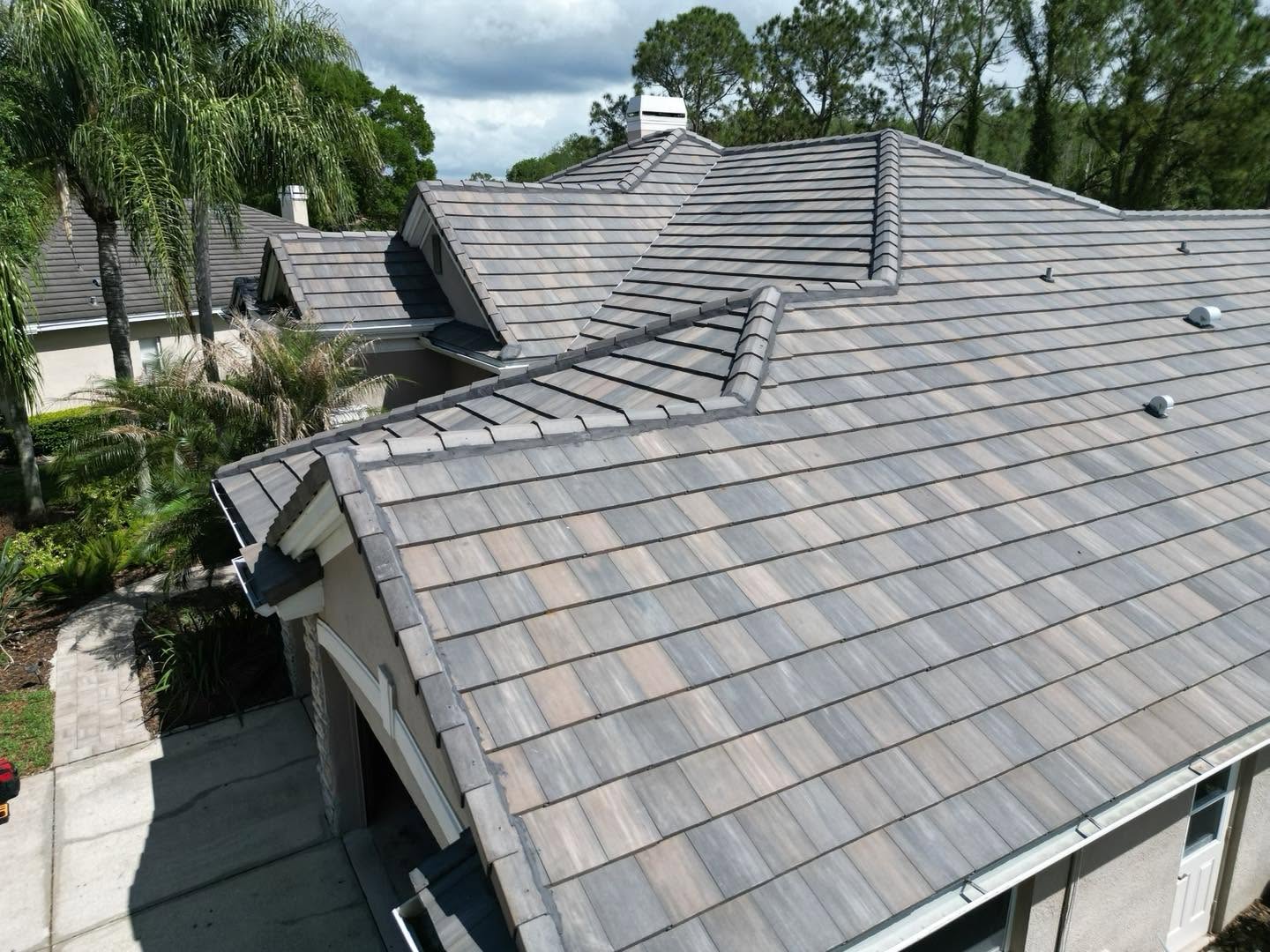
A useful maintenance plan should provide more than just a reminder to check the roof occasionally. It should establish a consistent process for evaluating the roofing system, documenting findings, monitoring changes, and addressing concerns when they arise. The specific requirements can vary based on the roofing material, building design, roof age, previous repairs, and exposure to Florida weather.
The purpose is to create continuity. When businesses regularly evaluate the same key areas and maintain records of previous findings, it becomes easier to recognize changes in roof condition and determine when professional repair or additional evaluation may be appropriate.
How Do Scheduled Roof Inspections Support Maintenance?
Scheduled inspections provide a recurring opportunity to evaluate the condition of the commercial roofing system. They can help identify visible deterioration and other concerns before they develop into more disruptive problems.
A maintenance schedule may include:
- Routine professional roof inspections
- Additional evaluations after significant storms
- Monitoring of previously repaired areas
- Review of drainage performance
- Documentation of changing roof conditions
The appropriate frequency depends on the individual property and its roofing needs. A professional can help establish a practical inspection approach.
Why Should Businesses Track Previous Roofing Repairs?
Repair history provides valuable context when evaluating a commercial roof. If a business has experienced recurring concerns in a particular area, those records can help identify patterns that may warrant closer attention.
Businesses should keep track of:
- Dates of completed repairs
- Areas previously affected
- Types of roofing concerns identified
- Storm-related repairs
- Follow-up observations
This information gives property owners and roofing professionals a clearer picture of how the roof has performed over time.
What Should Be Included in a Maintenance Checklist?
A maintenance checklist should cover more than the primary roofing surface. Important components work together to protect the building, so each should be considered during professional evaluations.
| Area | Maintenance Focus |
|---|---|
| Roofing materials | Visible deterioration or damage |
| Flashing | Condition around vulnerable transitions |
| Seams | Separation or other visible changes |
| Penetrations | Roofing around vents, pipes, or equipment |
| Drainage | Water movement and accumulation |
| Roof edges | Storm damage or deterioration |
A consistent checklist helps businesses avoid overlooking areas that can contribute to roofing problems.
How Does Florida Weather Shape Commercial Roof Maintenance?
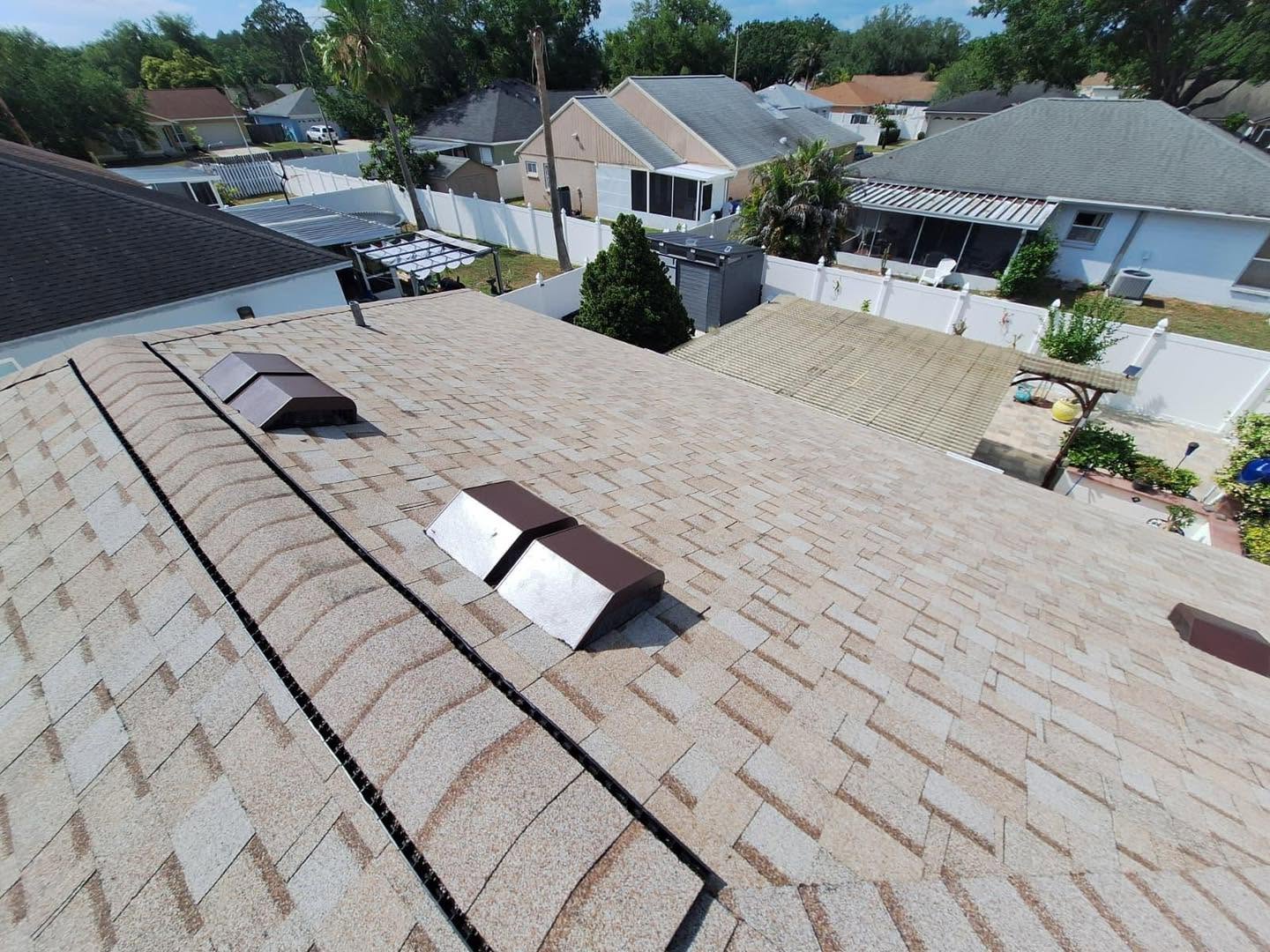
Florida’s climate makes preventative commercial roof care particularly important. Prolonged exposure to intense sunlight, high temperatures, humidity, heavy rainfall, and severe storms can place ongoing demands on roofing materials and components.
A maintenance plan should therefore account for both routine environmental exposure and sudden weather events. Businesses that monitor their roofing systems throughout the year can make more informed decisions when conditions change.
How Does Heat Affect Commercial Roofing?
Long periods of intense sunlight and high temperatures can contribute to gradual deterioration of roofing materials. The effect depends on the specific roofing system, material, age, installation, and existing condition.
Businesses should monitor:
- Changes in roofing surfaces
- Areas showing unusual deterioration
- Previously repaired sections
- Damage that becomes more noticeable over time
Regular professional evaluation can help determine whether observed changes require repair, maintenance, or continued monitoring.
Why Should Storm Checks Be Part of a Maintenance Plan?
Severe weather can create sudden roofing concerns that would not necessarily be identified during a routine inspection. Heavy rain, strong winds, and debris can affect roofing materials, flashing, edges, and drainage components.
A post-storm evaluation can help identify:
- New roofing damage
- Displaced or damaged materials
- Compromised flashing
- Drainage concerns
- Potential moisture-entry points
Including storm evaluations in a broader maintenance strategy gives businesses an additional layer of protection during Florida’s severe weather events.
How Important Is Drainage to Commercial Roof Maintenance?
Proper water management is an important part of maintaining commercial roofing performance. Heavy Florida rainfall can place significant demand on drainage systems, while drainage problems can expose roofing materials to prolonged moisture.
Maintenance should monitor:
- Roof drains
- Drainage pathways
- Areas where water collects
- Signs of prolonged moisture
- Components surrounding drainage areas
Addressing drainage concerns as part of routine maintenance can help businesses manage rainfall more effectively.
How Can Businesses Build a Maintenance Schedule That Works?
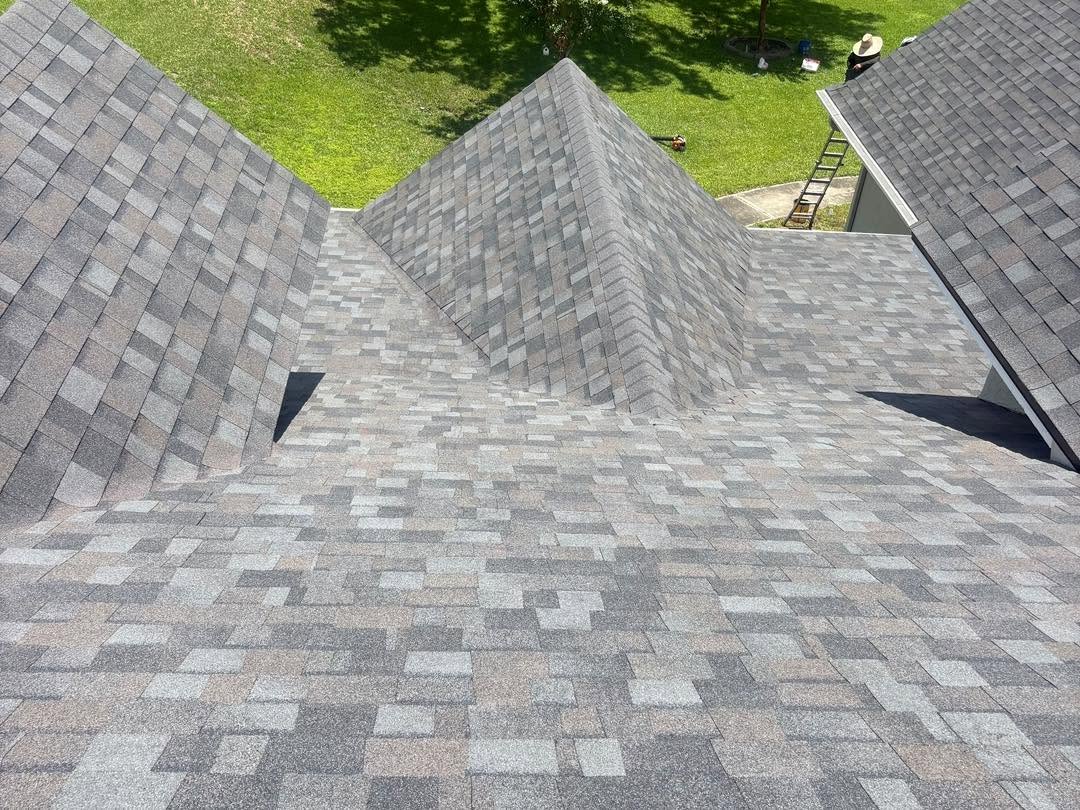
A maintenance plan is most useful when it is practical and consistent. Businesses should consider the property’s roofing system, operating schedule, previous repair history, environmental exposure, and any recurring concerns when establishing a maintenance routine.
The goal is not simply to inspect the roof as often as possible. It is to create a process that provides useful information and supports timely action when roofing concerns are identified.
What Should Be Checked During Routine Maintenance?
Routine maintenance should evaluate the condition of the roofing system and its supporting components. Professional inspections can help identify areas that require attention before they become more disruptive.
Important areas include:
- Roofing materials
- Seams and flashing
- Roof penetrations
- Drainage components
- Roof edges and transitions
- Previously repaired areas
Keeping these areas on a recurring checklist helps businesses maintain a consistent approach.
When Should a Maintenance Plan Trigger a Repair?
A maintenance plan should include a clear process for responding when damage or deterioration is discovered. Maintenance is not intended to replace repairs when a roofing component has already been compromised.
A repair evaluation may be appropriate when:
- A leak develops
- Storm damage is identified
- Roofing materials become damaged
- Flashing becomes compromised
- A previously repaired area develops new symptoms
GenX Roofing provides roof repair and maintenance services for Florida properties, including emergency leak detection and repair, storm and wind damage restoration, flashing and sealant repair, and inspection and maintenance plans.
How Should Businesses Monitor Repaired Areas?
Repairs should remain part of the property’s maintenance history. Monitoring previously affected areas can help businesses recognize recurring symptoms or changes following heavy rain and severe weather.
Businesses can document:
- Whether moisture returns
- Changes around the repaired area
- Conditions following major rainfall
- New deterioration
- Additional concerns nearby
This information can help a roofing professional determine whether the area continues to perform appropriately or needs further evaluation.
How Can Professional Maintenance Services Help Florida Businesses?
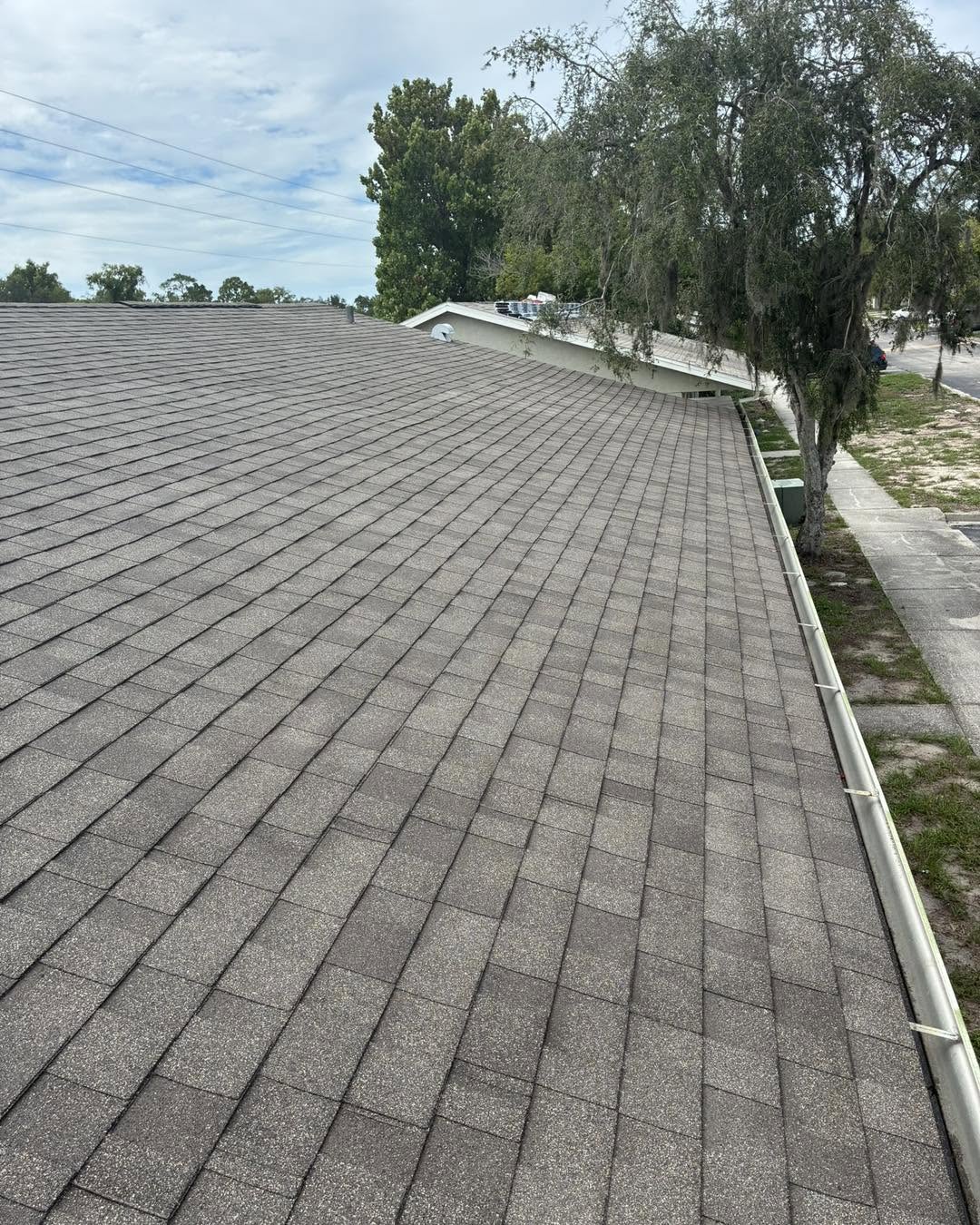
Professional maintenance provides commercial property owners with a more thorough approach to managing their roofing systems. While businesses can monitor visible changes from the ground and inside the building, some roofing conditions require professional knowledge and appropriate access to evaluate safely.
GenX Roofing states that its maintenance services are designed to catch issues early and include scheduled inspections, minor repairs, gutter cleaning, and performance checks. Its commercial roofing services also include repairs and storm-related restoration.
What Can GenX Roofing Include in a Maintenance Plan?
GenX Roofing’s published roof repair and maintenance services include inspection and maintenance plans, preventative maintenance, minor repairs, gutter cleaning, and water drainage solutions.
For Florida businesses, professional maintenance can help monitor:
- Roofing materials
- Previously repaired areas
- Drainage and water-management components
- Flashing and sealant
- Signs of developing damage
The exact maintenance needs should be based on the condition and requirements of the individual commercial property.
How Can Maintenance Help Businesses Address Problems Earlier?
The value of maintenance lies in identifying and addressing roofing concerns before they become more disruptive. When an evaluation identifies a problem, businesses can determine whether monitoring, maintenance, or professional repair is appropriate.
GenX Roofing describes its approach as assessing the issue, explaining what is needed, completing the approved work, and performing a quality check afterward.
This gives property owners a structured way to move from identifying a roofing concern to addressing it.
Why Is Commercial Roof Maintenance Worth Making Routine?
Commercial roof maintenance should be treated as part of ongoing property management rather than an occasional response to problems. A consistent plan helps businesses maintain records, monitor changes, and address roofing concerns as they develop.
For Florida businesses, this proactive approach can help:
- Monitor roof condition throughout the year
- Respond to storm-related concerns
- Identify developing deterioration
- Address drainage issues
- Plan necessary repairs
GenX Roofing provides commercial roofing services in Florida, including inspections, maintenance, repairs, and storm-related solutions.
Frequently Asked Questions
Can a commercial roof maintenance plan be customized to a specific property?
Yes. Commercial buildings differ in roofing materials, design, age, drainage configuration, and environmental exposure. A professional roofing evaluation can help determine which areas deserve the most attention and how the maintenance approach should be structured.
Does a maintenance plan include repairs when a problem is discovered?
Maintenance plans can identify conditions that require repair, but the appropriate repair work depends on what is found during an evaluation.
Should businesses continue maintenance after completing a major roof repair?
Yes. Completing a repair does not eliminate the need to monitor the rest of the roofing system. Continued maintenance can help identify new concerns and track the condition of previously repaired areas.
Can commercial roof maintenance help with storm preparedness?
Yes. Routine evaluations can identify existing vulnerabilities, while post-storm inspections can help businesses determine whether severe weather affected the roofing system. Including storm checks in a maintenance strategy provides useful information year-round.
What if a commercial roof has no visible problems?
Maintenance can still be valuable. Some roofing concerns develop gradually and may not produce visible interior symptoms. Regular professional evaluations can help businesses understand the condition of roofing materials and components before an obvious problem appears.
Conclusion
A commercial roof maintenance plan gives Florida businesses a structured way to monitor their roofing systems, respond to changing conditions, and address problems before they become more disruptive. Regular inspections, storm evaluations, drainage monitoring, repair tracking, and timely attention to developing concerns can all contribute to a stronger maintenance strategy. Florida’s intense heat, humidity, heavy rainfall, and severe storms make proactive commercial roof care especially important. GenX Roofing provides Florida roofing services, including inspection and maintenance plans, preventive maintenance, commercial roof repairs, storm damage restoration, and drainage solutions. By making commercial roof maintenance part of regular property management, businesses can stay better informed about their roof’s condition and take action when professional attention is needed.