 Post by
 Regular roof inspections give commercial property owners a practical way to understand the condition of their roofing system before minor concerns become larger disruptions. Florida businesses face intense sunlight, humidity, heavy rainfall, and severe storms that can gradually affect roofing materials, drainage components, flashing, seams, and roof penetrations. A roof can appear sound from the ground while developing issues that require professional attention. Routine inspections help businesses identify changes, document roof condition, evaluate storm-related concerns, and determine when repairs or maintenance may be appropriate. This guide explains what commercial roof inspections should examine, when Florida businesses should schedule them, and how professional roofing services can support long-term property protection.
Key Takeaways
- Regular commercial roof inspections help identify developing damage, drainage concerns, and vulnerable roofing components before they become more disruptive.
- Florida’s heat, humidity, heavy rainfall, and severe storms make consistent professional roof evaluations particularly valuable for commercial properties.
- A thorough inspection should consider the roofing surface, seams, flashing, penetrations, drainage areas, edges, and visible signs of moisture intrusion.
- Post-storm inspections can help identify damage that may not immediately produce an interior leak or visible symptoms.
- Professional inspections provide businesses with useful information to prioritize repairs, maintenance, and future roofing decisions.
Why Are Regular Roof Inspections Important for Commercial Properties?
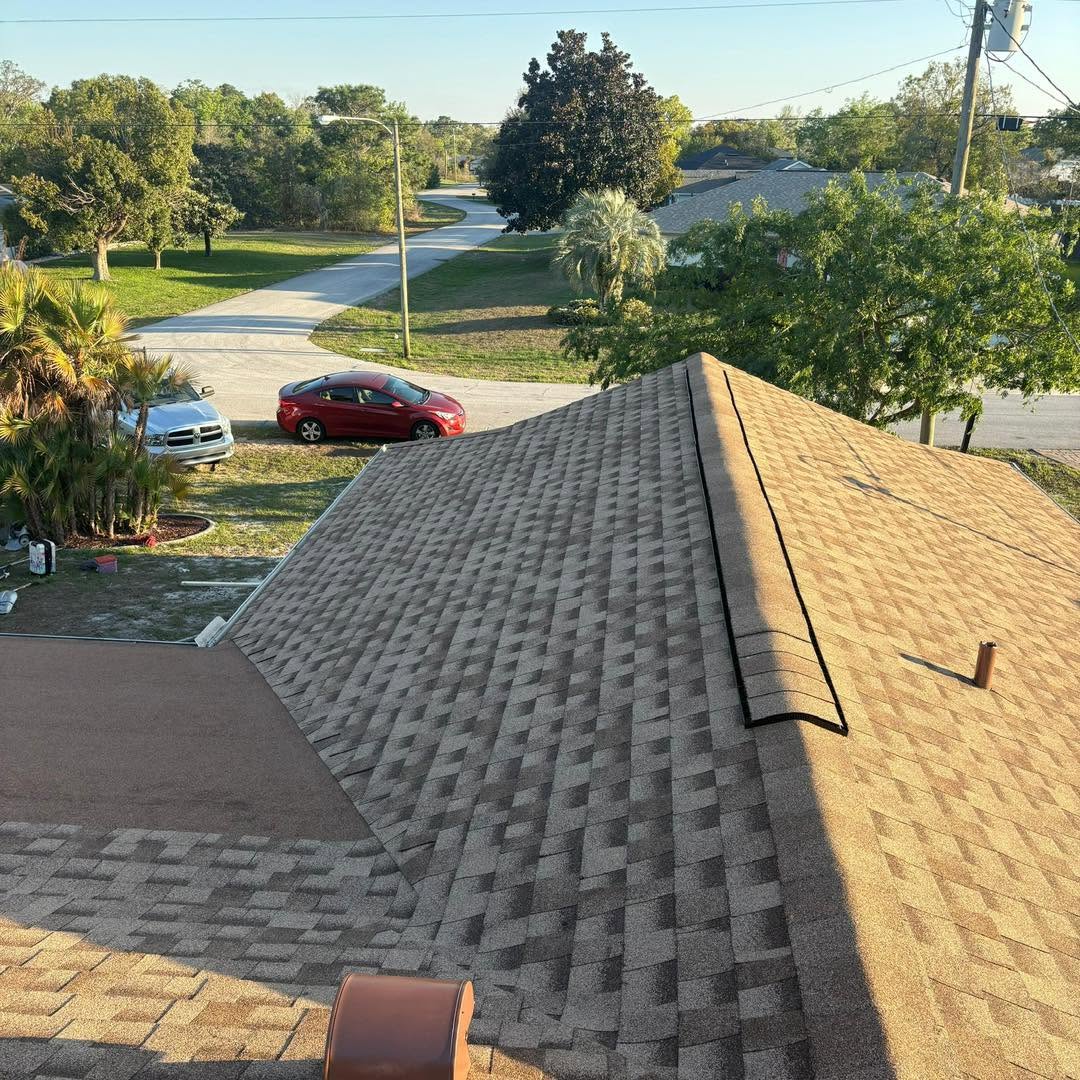
A commercial roof is constantly exposed to environmental conditions that can affect its materials and supporting components. Without regular evaluation, developing concerns may remain unnoticed until they result in a leak or other visible problem. Inspections provide businesses with an opportunity to monitor roof condition and respond based on evidence rather than waiting for an emergency.
The value of an inspection also extends beyond identifying obvious damage. A professional evaluation can help businesses understand whether previous repairs remain in good condition, whether drainage is functioning properly, and whether certain areas deserve closer attention.
How Can Inspections Reveal Developing Roofing Problems?
Roofing problems do not always begin with an active leak. Deterioration, damaged materials, compromised flashing, and other vulnerabilities can exist before moisture reaches the building interior.
A professional inspection can help identify:
- Visible roofing deterioration
- Damaged or displaced materials
- Compromised flashing
- Vulnerable seams and transitions
- Signs of moisture intrusion
- Storm-related damage
Identifying these conditions early gives property owners an opportunity to determine whether monitoring, maintenance, or repair is appropriate.
Why Should Businesses Keep a Record of Roof Inspections?
Inspection records provide a useful history of the property’s roofing system. Comparing observations over time can help businesses recognize recurring problems, changes in material condition, or areas that require continued attention.
Businesses can document:
- Inspection dates
- Areas requiring attention
- Completed repairs
- Storm-related observations
- Recurring roofing concerns
Maintaining this information also gives roofing professionals valuable context during future evaluations.
How Do Inspections Support Better Roofing Decisions?
Commercial roofing decisions should be based on the condition of the property rather than assumptions about age or appearance. Regular inspections provide current information that can help property owners determine what requires attention.
An inspection can help clarify whether a concern appears:
- Localized
- Related to drainage
- Connected to a roof penetration
- Associated with storm damage
- Broad enough to require further evaluation
This information allows businesses to approach roofing decisions more strategically.
What Should a Commercial Roof Inspection Look For?
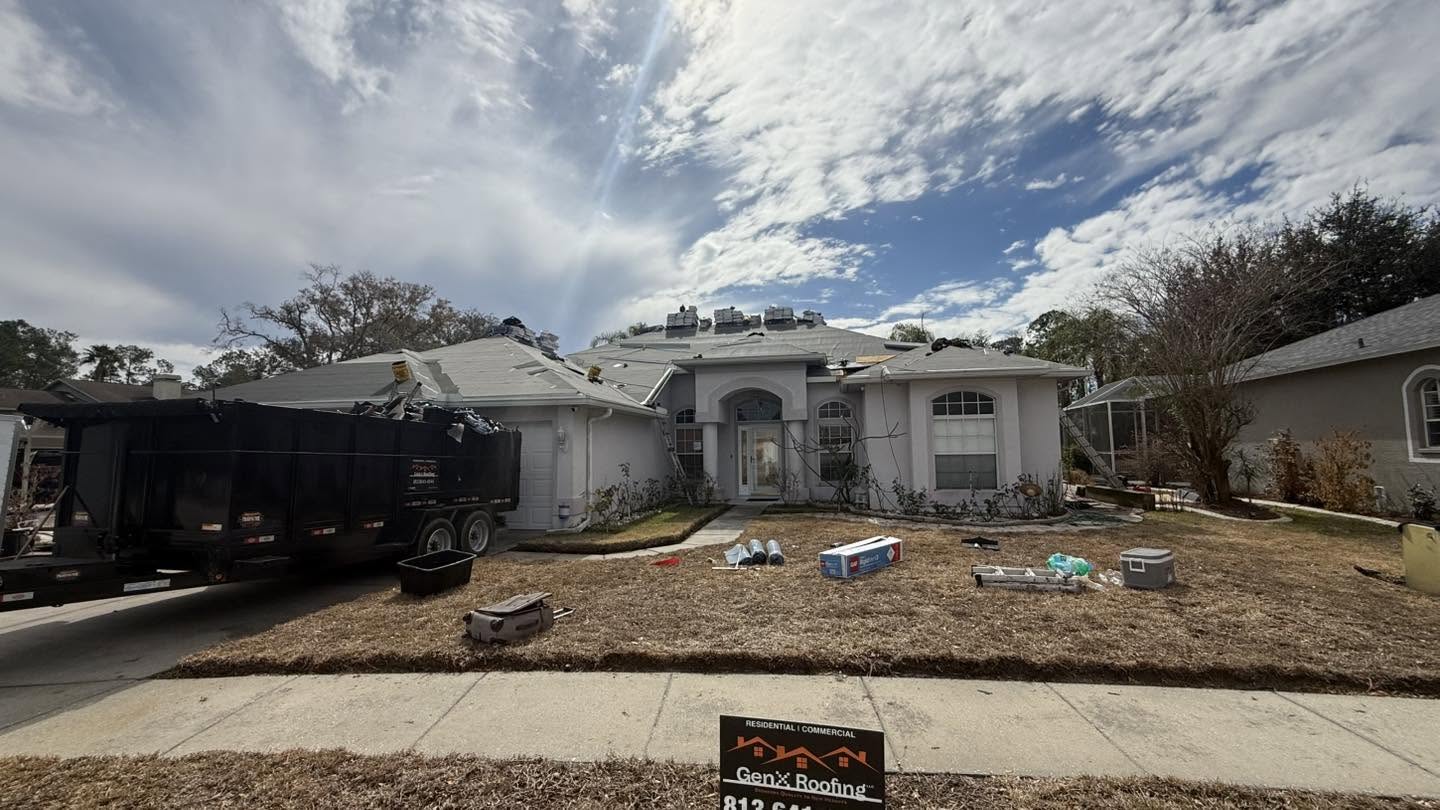
A useful commercial roof inspection should consider the roofing system as a whole. Looking only for active leaks may overlook other conditions that can affect future performance. Roofing materials, flashing, seams, penetrations, drainage, and roof edges can all contribute to how effectively a commercial roof protects a building.
The exact inspection process depends on the property, roofing system, accessibility, and observed conditions. Professional evaluation is especially important when damage is suspected or the roof has been affected by severe weather.
What Roofing Materials Should Be Evaluated?
The primary roofing surface should be examined for visible changes that may indicate deterioration or damage. The type of roofing system affects what an inspector looks for and how specific concerns should be evaluated.
Areas of attention may include:
- Surface deterioration
- Cracks, punctures, or other visible damage
- Displaced roofing materials
- Areas affected by weather exposure
- Previously repaired sections
A professional can determine whether an observed condition requires repair or should continue to be monitored.
Why Are Flashing, Seams, and Penetrations Important?
Some of the most important inspection areas are locations where roofing components meet or where the roof intersects with another building feature. These areas need to maintain effective protection against moisture.
Inspectors may examine:
| Area | Inspection Focus |
|---|---|
| Flashing | Signs of deterioration or compromised protection |
| Seams | Separation or visible changes |
| Roof penetrations | Condition around vents, pipes, or equipment |
| Roof edges | Damage or deterioration |
| Transitions | Areas where roofing components meet |
These areas can require particular attention because water intrusion may develop around vulnerable connections.
How Important Is Drainage During a Roof Inspection?
Drainage is an essential part of commercial roof performance, particularly in Florida where heavy rainfall can place significant demands on a roofing system. Water needs an effective path away from the roof to reduce prolonged exposure to moisture.
An inspection may consider:
- Roof drains
- Drainage pathways
- Areas where water accumulates
- Visible signs of prolonged moisture
- Components surrounding drainage areas
Drainage concerns should be considered alongside the condition of the surrounding roofing materials.
When Should Florida Businesses Schedule Commercial Roof Inspections?
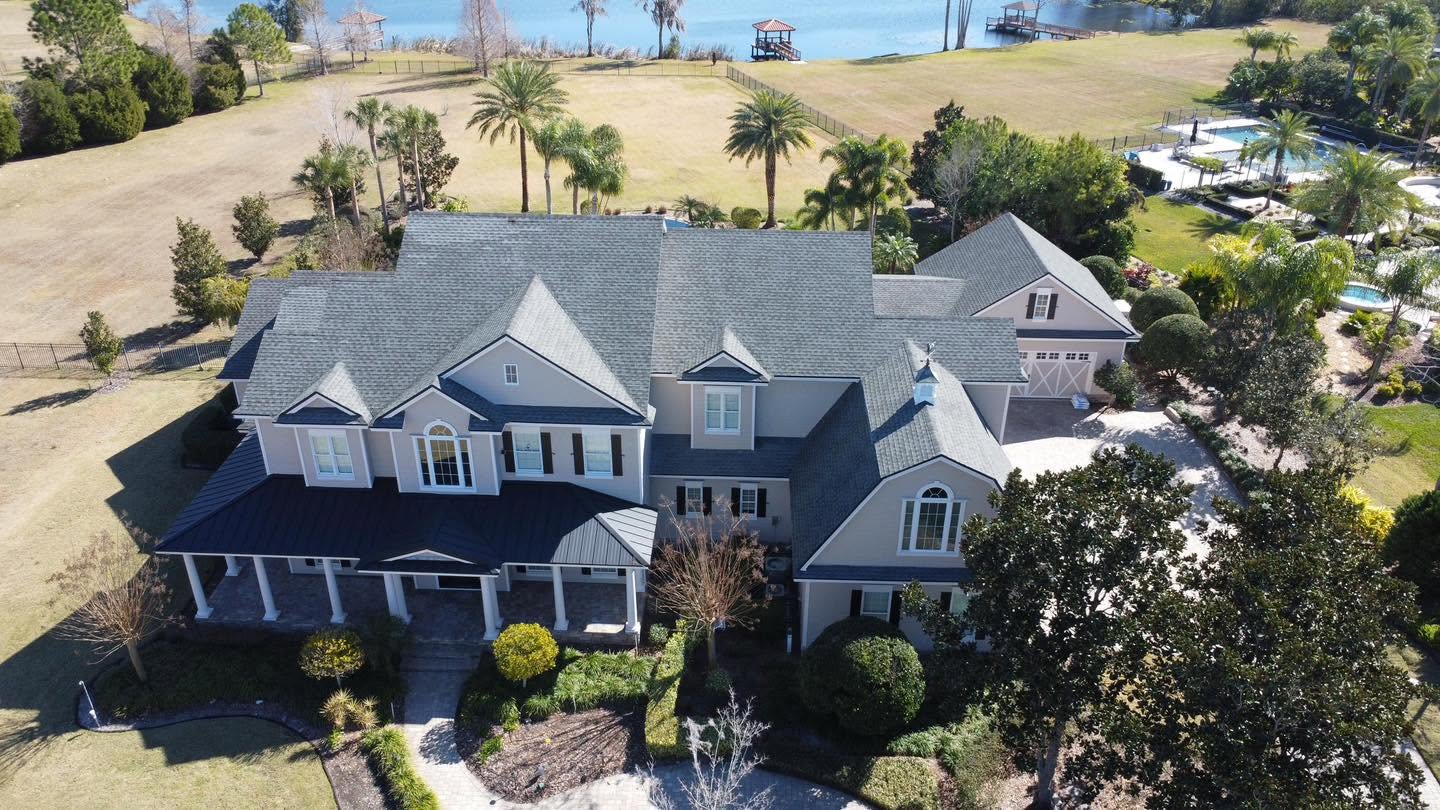
There is no single inspection schedule that fits every commercial property. Roofing material, building design, roof age, previous repairs, environmental exposure, and severe weather can all influence how frequently a property should be evaluated.
Businesses should think of inspections as part of an ongoing property-management strategy rather than something that only happens after a problem appears. Certain situations, however, make professional evaluation particularly important.
Should Businesses Schedule Inspections After Severe Storms?
Yes. Significant storms can affect roofing materials, flashing, edges, drainage areas, and other components even when no immediate interior leak is visible.
A post-storm inspection can help identify:
- New roofing damage
- Displaced materials
- Compromised flashing
- Drainage concerns
- Potential moisture-entry points
Early evaluation can help businesses understand whether the roofing system was affected and whether repairs are necessary.
When Should a Business Inspect a Roof With Previous Repairs?
Previously repaired areas deserve continued attention because they provide useful information about the roofing system’s history. A recurring problem in the same area may indicate that additional evaluation is necessary.
Businesses should consider professional inspection when:
- A repaired area develops new symptoms
- Moisture returns after rainfall
- Additional damage appears nearby
- The roof has undergone multiple repairs
- The property’s roofing condition has changed
Monitoring repaired areas can help identify whether the roofing system continues to perform as expected.
Should Businesses Inspect Their Roof Even Without Visible Problems?
Yes. The absence of a visible leak does not necessarily mean that every roofing component is in good condition. Some deterioration develops gradually and may not produce obvious interior symptoms.
Routine evaluations can provide insight into:
- Material condition
- Drainage performance
- Flashing and seams
- Storm-related vulnerabilities
- Areas requiring future attention
This proactive approach can help businesses make roofing decisions before an unexpected problem interrupts operations.
How Can GenX Roofing Help With Commercial Roof Inspections in Florida?
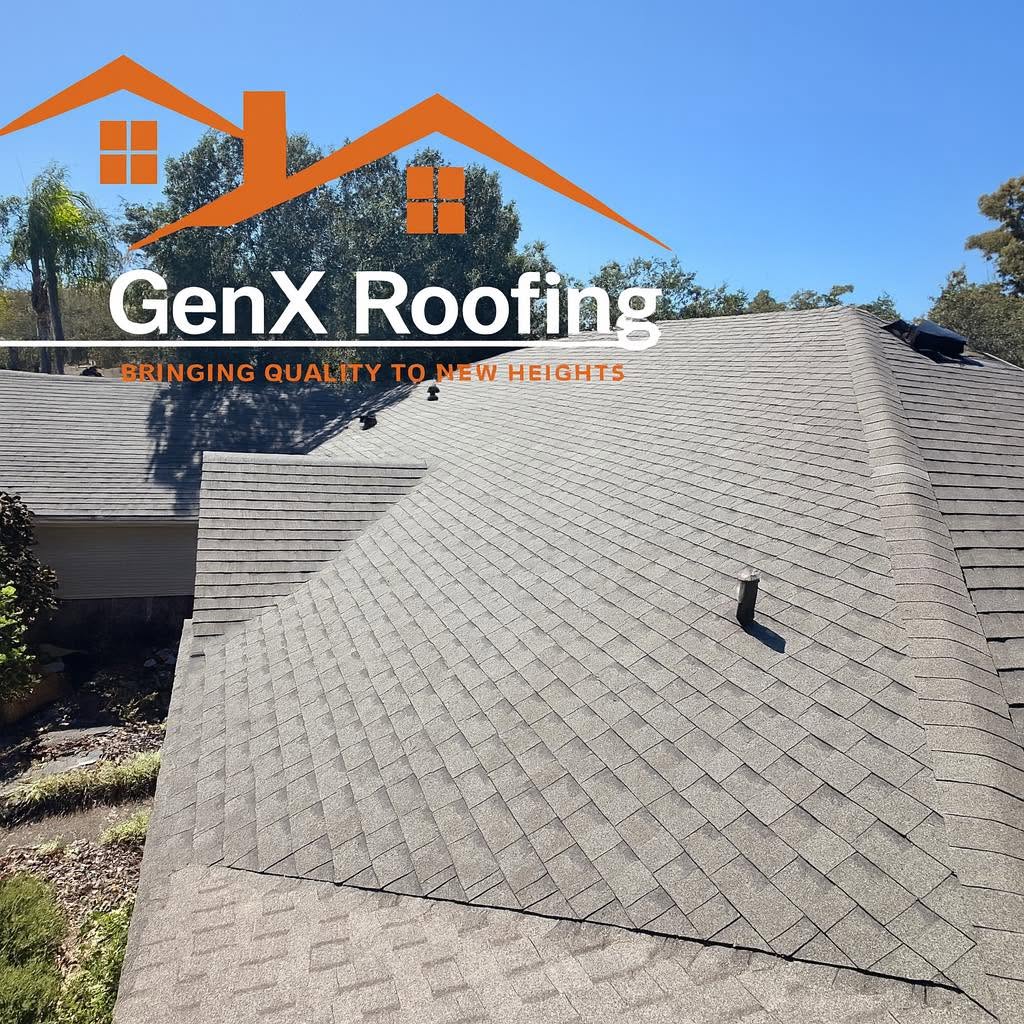
GenX Roofing provides professional commercial roofing services in Florida, including roof inspections, maintenance, repairs, and storm-related roofing solutions. Its published services include inspection and maintenance support as well as commercial roof repair for leaks, wear, and storm damage.
For Florida businesses, professional roofing support can help identify conditions that may not be obvious from ground level or inside the building.
What Can GenX Roofing Evaluate During a Commercial Roof Inspection?
A professional evaluation can focus on the condition of the roofing system and areas that may require repair or continued monitoring.
GenX Roofing’s commercial roofing services can help businesses address concerns involving:
- Roofing material deterioration
- Leaks and moisture concerns
- Storm-related damage
- Flashing and sealant issues
- Drainage-related problems
The goal is to give property owners a clearer understanding of the roofing concerns affecting their commercial property.
How Can GenX Roofing Support Businesses After Storm Damage?
Storm-related roofing concerns can require prompt attention, particularly when heavy rainfall or strong winds affect a commercial property. GenX Roofing provides storm and wind damage restoration services as part of its roofing offerings.
A professional post-storm evaluation can help businesses:
- Identify visible damage
- Evaluate vulnerable roofing areas
- Address storm-related repairs
- Monitor affected components
- Plan appropriate follow-up maintenance
This can help property owners respond to storm damage based on the actual condition of the roofing system.
Why Make Roof Inspections Part of Commercial Property Management?
Regular professional evaluations provide businesses with ongoing information about roof condition. Instead of waiting until a leak or major roofing concern interrupts operations, property owners can monitor changes and address issues as they develop.
GenX Roofing can support Florida businesses with professional roofing evaluations and repair services to help property owners address identified concerns. This makes inspections a useful part of a broader commercial property maintenance strategy.
Frequently Asked Questions
Can a commercial roof inspection identify problems that are not causing leaks?
Yes. An inspection can identify visible deterioration, damaged roofing components, compromised flashing, drainage issues, and other conditions before they necessarily lead to an interior leak.
Is a roof inspection useful when a commercial property changes ownership?
Yes. A professional evaluation can provide the new property owner with a clearer understanding of the roof’s current condition and any areas that may require monitoring or attention.
What happens if an inspection finds several unrelated roofing problems?
The findings can be evaluated individually and prioritized based on their condition and potential impact on the roofing system. A professional roofing assessment can help determine which concerns require attention first.
Can weather conditions affect when a commercial roof should be inspected?
Yes. Significant storms, heavy rainfall, and periods of severe weather may warrant an additional evaluation. Florida businesses should consider post-storm inspections when roofing damage or new moisture concerns are suspected.
Should businesses keep inspection reports after repairs are completed?
Yes. Keeping inspection and repair records creates a useful history of the roofing system. Future roofing professionals can use this information to understand previous concerns and identify changes over time.
Conclusion
Regular roof inspections give commercial property owners a proactive way to monitor their roofing systems and address emerging issues. Florida’s intense sunlight, humidity, heavy rainfall, and severe storms make professional evaluations particularly valuable for businesses seeking to protect their properties. A thorough inspection should consider roofing materials, flashing, seams, penetrations, drainage, roof edges, and signs of moisture intrusion rather than focusing only on active leaks. Post-storm evaluations and continued monitoring of repaired areas can provide additional protection throughout the year. GenX Roofing provides commercial roofing services in Florida, including inspections, maintenance, repairs, and storm-related roofing solutions. By making professional roof inspections part of regular property management, Florida businesses can make better-informed roofing decisions and support dependable roof performance over time.