 Post by
A modified bitumen roof is repaired by finding the cause of the damage, opening and drying the membrane if water got in, and installing a patch that extends well past the defect: at least 6 inches in every direction for a base sheet patch, with a cap sheet patch larger still. The method depends on the type of damage (split, blister, ridge, open lap) and on whether the membrane is SBS or APP. Because most repairs involve open flame or hot materials on a roof, they are work for a licensed, insured crew.
This guide explains what damage looks like, how professionals repair each kind, when a repair is enough, and what to ask a roofer before work begins.
TL;DR
- Common modified bitumen problems are splits, blisters, ridges, fishmouths, open laps and worn surfacing. Each has its own repair.
- A sound repair patches beyond the damage, not just over it. Base sheet patches extend at least 6 inches (150 mm) past the defect on all sides.
- Wet insulation under a leak must be removed and replaced, or the problem returns.
- SBS and APP membranes are not repaired the same way, so the existing membrane type matters.
- Inspect in spring and fall and after severe weather, and have a professional look at the roof after any significant repair.
Table of Contents
- What a modified bitumen roof is, and why it fails where it does
- How to recognize damage before it becomes a leak
- Repair or replace: the decision
- How professionals repair a split or leak
- Repairing blisters and ridges
- SBS or APP, granulated or smooth: why it changes the repair
- Open laps, flashings and penetrations
- Why torch and heat work should stay with a licensed crew
- Inspection and maintenance after the repair
- What to expect when you hire a roofer for the repair
- Roof repair and commercial maintenance with GenX Roofing
- FAQ
- Sources
What a modified bitumen roof is, and why it fails where it does
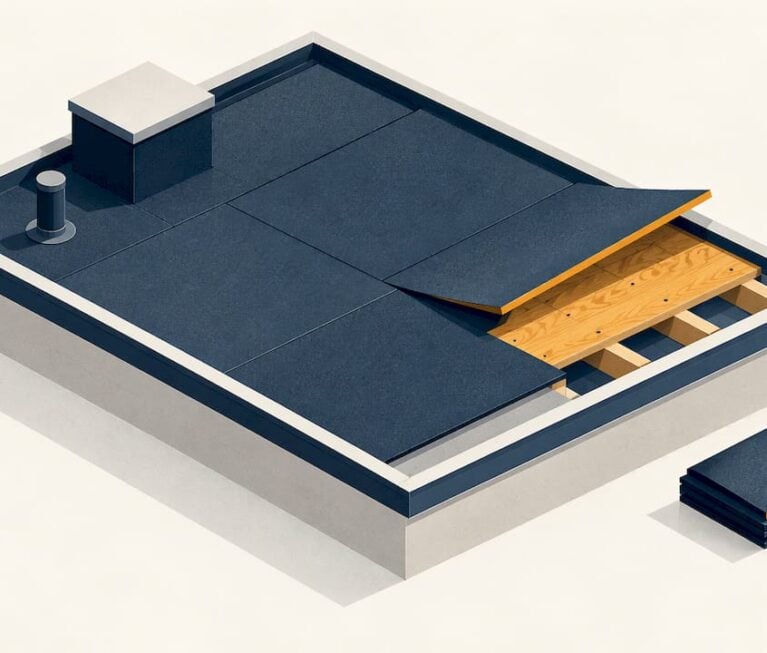
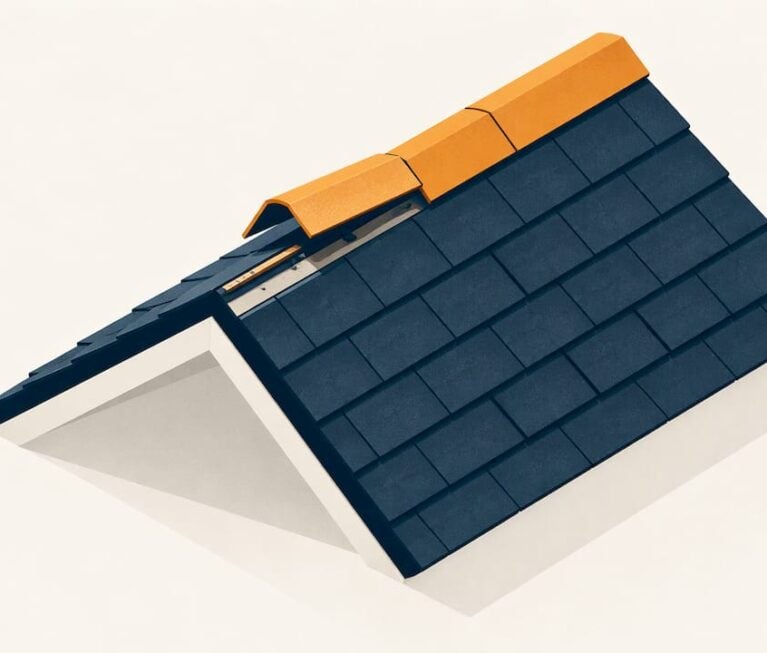
Modified bitumen is a low-slope roofing membrane made of asphalt with polymer additives, reinforced with fabric and usually installed in plies. The two main types are SBS (rubber-modified, flexible) and APP (plastic-modified). Surfaces are either granulated, like a heavy shingle, or smooth with a coating.
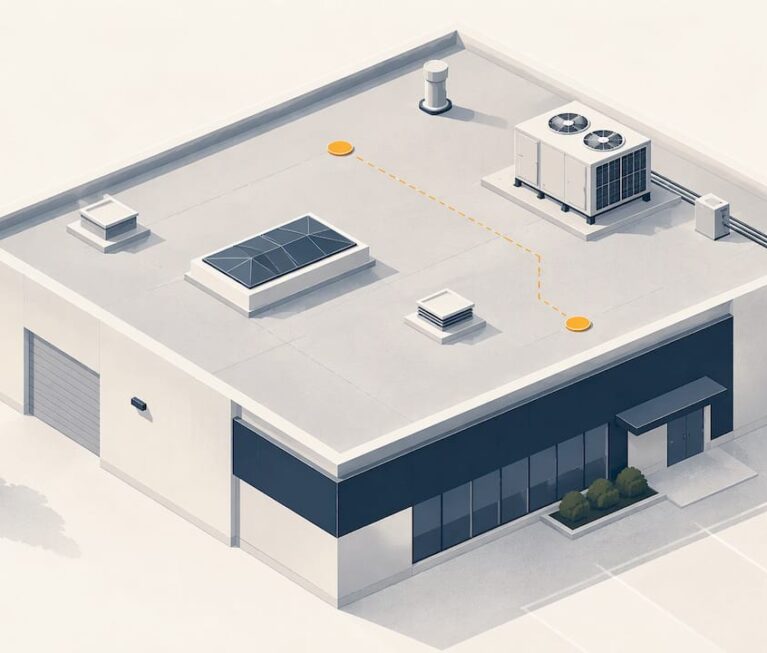
On homes, you see it on porches, additions and low-slope sections. On commercial buildings it often covers the whole roof. Failures cluster at predictable spots: seams, edges, penetrations, low areas where water sits, and places where the building moves.
The National Research Council of Canada notes that blisters in SBS roofs start at voids and grow as trapped moisture expands. Splits tend to come from movement. When the building, the deck or temperature swings stretch the membrane further than it can handle, it tears.
How to recognize damage before it becomes a leak
The ICLR commercial roof inspection guide tells owners of built-up and modified bitumen roofs to watch for bubbles and blisters, cracks, wear around connections, tears, punctures, and loss of granules or surface coating. Here is what each looks like and why it matters.
Blisters
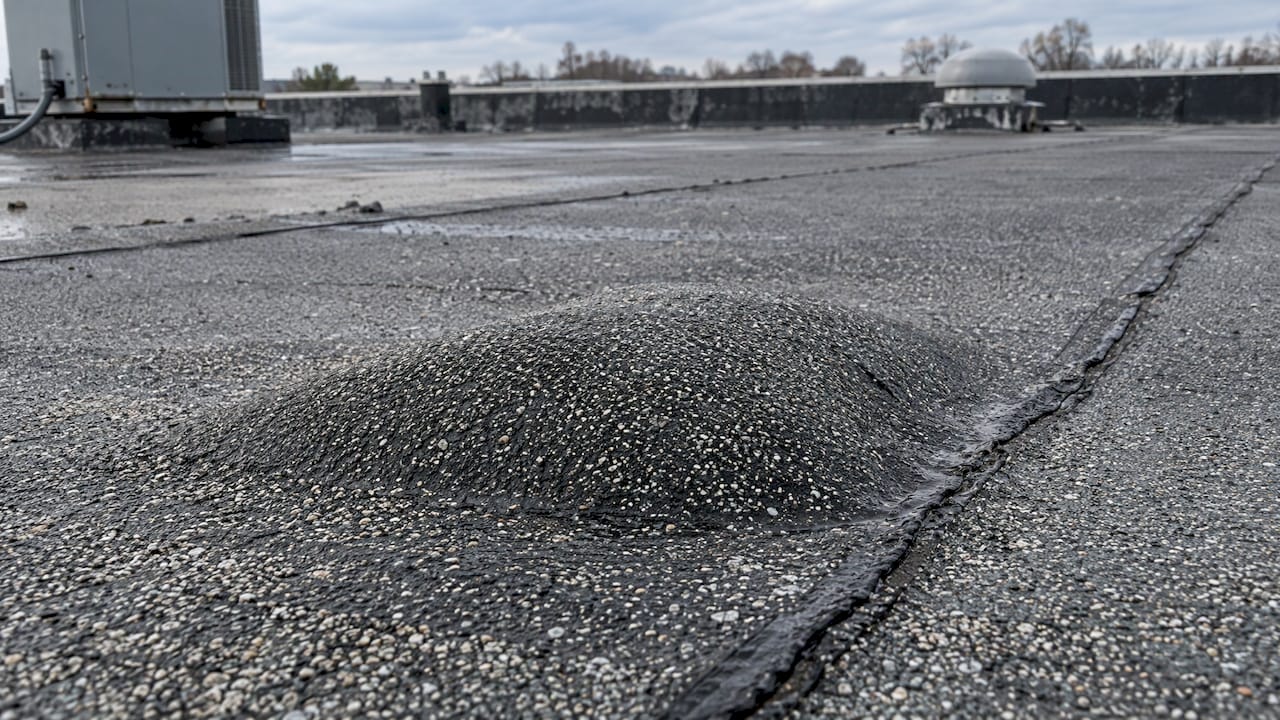
Blisters are raised pockets. According to the Canadian Roofing Reference Manual, they form when moisture is trapped during installation or enters through penetrations, and they feel spongy. A small, stable blister is not always an emergency. A large one, or one near a seam or drain, is.
Fishmouths
A fishmouth is a small, funnel-shaped opening along the edge of a ply or seam. The same manual explains that, left unrepaired, fishmouths can let moisture in. They are quick to fix when caught early.
Ridges
Ridges are long, narrow wrinkles, usually over joints in the deck or insulation. They come from movement or moisture inside the roof system, so the surface is only part of the story.
Splits and tears
Splits are straight cracks through the membrane, often over a deck joint or where two roof sections meet. They almost always leak, and they tend to return if the cause of the movement is ignored.
Worn surfacing
Bare patches where granules or coating have eroded expose the asphalt to sun and weather. This is the early stage of many later failures, and it is the cheapest to address.
Repair or replace: the decision
A spot repair makes sense when damage is isolated and the rest of the membrane is sound. Replacement becomes the better conversation when problems are widespread.
Some useful markers:
- Isolated split, fishmouth or open lap: repair.
- A few small, stable blisters: monitor them. IKO’s commercial technical manual says smaller blisters are best monitored while larger ones, and any that affect seams or drainage, should be repaired promptly.
- Wet insulation or deck: repair must include replacing the wet material.
- Widespread blistering, repeated leaks in many places, or a membrane at the end of its service life: have a contractor evaluate a recover or replacement.
If you manage a larger building, our guide to commercial roof replacement costs, timing and process explains how that decision is scoped.
How professionals repair a split or leak
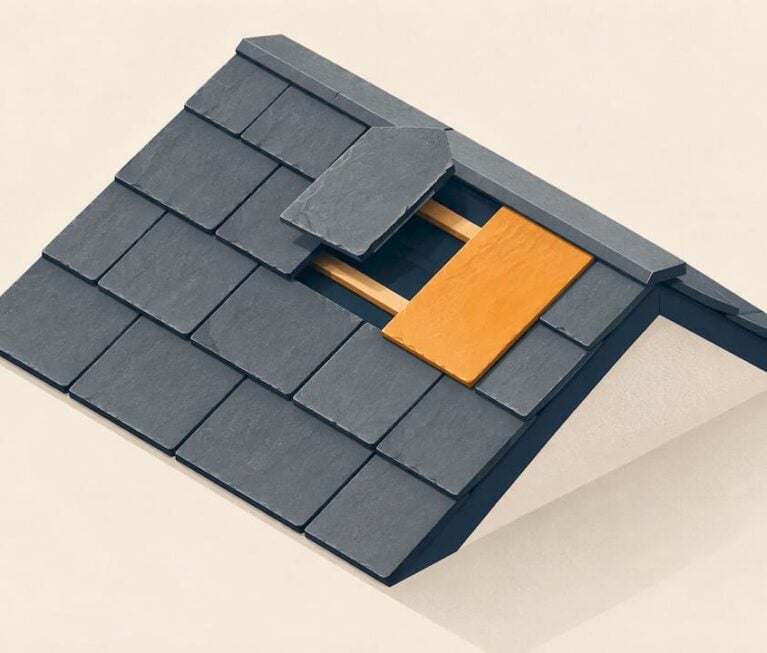
The Canadian Roofing Reference Manual lays out the sequence for a leak repair in a modified bitumen membrane. If water has gotten in, the crew opens the membrane and inspects the insulation, vapor retarder and deck. Wet or damaged materials are removed and replaced before any patch goes down.
That step is where many quick fixes fail. A patch over wet insulation traps the moisture and the leak or blister comes back. If you are curious what happens when water has been sitting in a roof assembly after heavy rain, this walkthrough on stopping a roof leak after heavy rain covers the first steps homeowners can take while waiting for a crew.
Then the patching goes in layers:
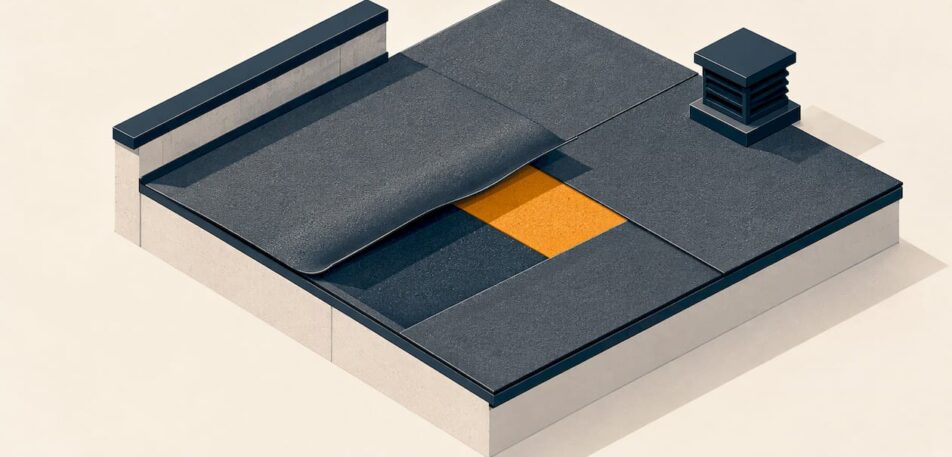
- Base sheet patch. A patch of like material, cut at least 6 inches (150 mm) larger than the defect in every direction, set in hot asphalt, cold adhesive or by heat welding.
- Cap sheet patch. A second patch at least 6 inches (150 mm) larger than the base patch. It is often cut to the full width of the cap sheet exposure, typically 36 inches (900 mm).
- Surfacing. On granulated membranes, granules are embedded across smaller repairs and at least 6 inches (150 mm) around the perimeter of larger ones, with the rest primed using a compatible modified bitumen primer.
All of these details come from the Canadian Roofing Reference Manual chapter on modified bitumen repairs. Manufacturer specifications can differ slightly, which is one reason crews follow the specific membrane maker’s requirements.
Why the cause matters as much as the patch
A split that sits over a deck joint or a building expansion joint will tend to open again if the patch is rigid and the movement continues. A good contractor identifies the stress source first and designs the repair to accommodate it. That is the difference between a patch that holds and one that is redone next year.
Repairing blisters and ridges
Blisters are not all treated the same. IKO’s manual describes the approach: leave small stable ones under observation, repair larger ones promptly, and always repair any that compromise seams or impede drainage. For ridges where the surfacing has worn off the peaks, the options are a roof coating with new surface material embedded, or a membrane patch.
When a blister is cut out and patched, IKO’s manual refers to NRCA guidance that the prepared area should extend at least 18 inches beyond the blister. Moisture must be removed before the area is closed up again. That is also why blister repair is a dry-weather job.
The National Research Council publication adds a practical point for owners: avoid walking on blisters, particularly when the membrane is cold, because they can rupture. It also notes blistering is more common in SBS than APP membranes. Keep foot traffic off suspect areas and let the roofer handle the inspection.
Ponding water
Water that stays on a low-slope roof for long periods accelerates wear. IKO’s guidance for excessive ponding is to correct the drainage: repair or add drains in low areas, sumps, through-wall scuppers, tapered insulation, or crickets. Patching the membrane without fixing drainage treats the symptom only. Clearing gutters and drainage paths is part of routine care, and our roof repair services include gutter cleaning and water drainage solutions alongside membrane work.
SBS or APP, granulated or smooth: why it changes the repair
Before a crew picks materials, it needs to know what is on the roof.
| Factor | SBS | APP |
|---|---|---|
| Typical character | Flexible, rubber-modified | Plastic-modified |
| Hot asphalt adhesion | Allowed | Not allowed |
| Cold adhesive | Allowed | Appropriate cold adhesives may be used |
| Heat welding | Allowed | Allowed, and the only way to fuse new APP to existing APP in IKO’s requirements |
| Blistering tendency | More common | Less common |
The Canadian manual says APP membranes cannot be adhered with hot-applied asphalt, and appropriate cold adhesives or torch techniques may be used. IKO’s requirements add that new SBS material can be fused by hot asphalt, cold adhesive or heat welding, while new APP can only be fused to existing APP by heat welding. For two-ply repairs, the cap sheet patch goes an additional 2 inches (50 mm) beyond the base patch in IKO’s specification.
Surface matters too. On granulated cap sheets, granule embedment on the existing sheet is required when heat welding, or a manufacturer’s primer must be applied to the granulated area being repaired. Skipping that step is a common reason patches peel at the edges.
Open laps, flashings and penetrations
Side and end laps that have separated are among the most common leak sources. IKO describes the fix: a preheated round nose trowel is inserted into the lap to direct heat into the void while separating the layers. Once the material flows, the layers are pressed together and troweled to seal. If reinforcement is exposed, liquefied coating compound from a scrap piece is spread over it.
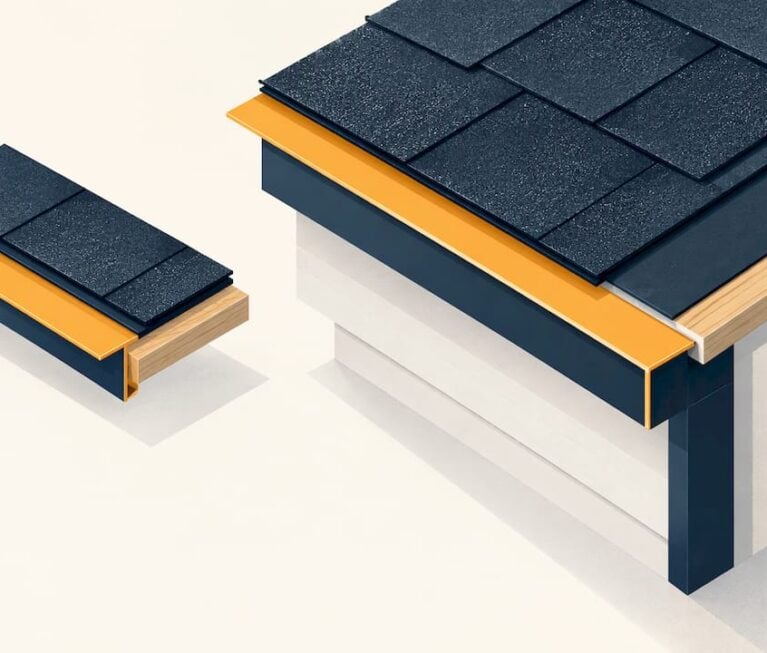
Around vents, chimneys and drains, the problem is more often flashing and sealant than the membrane itself. Water that gets past a failing sealant can also reach gutter end caps, fascia and soffits. If you are tracing a leak along the roof edge, this explanation of why gutter end caps leak and how they are sealed helps you tell a gutter issue from a membrane issue.
Why torch and heat work should stay with a licensed crew
Most modified bitumen repairs involve a torch, hot asphalt or both. NRCA guidance lists the standard kit: a 2-inch torch with two 30-pound propane tanks, a trowel, primer applicator, a metal or treated plywood blast board and a fire extinguisher. It also sets rules: never leave a torch unattended, keep the tank upright and at least 10 feet from open flame, and stay on the roof after torching to check for hot spots or smoke.
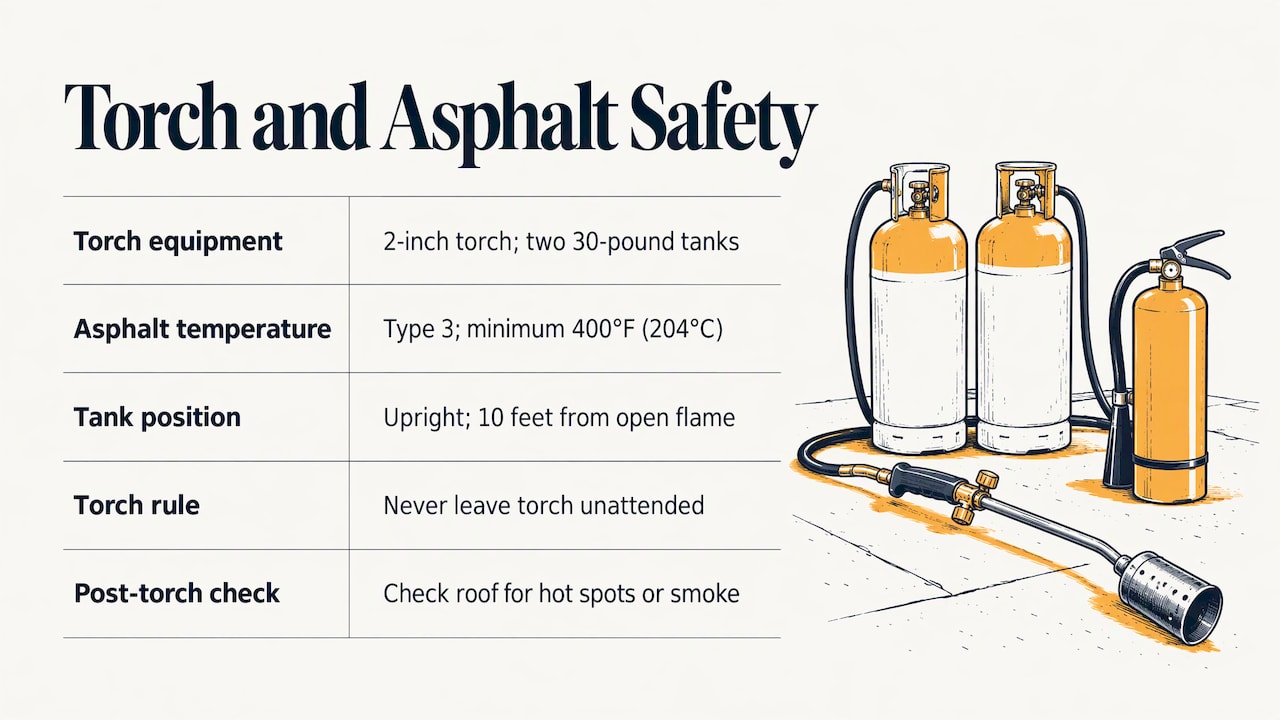
Hot asphalt carries its own requirements. The Canadian manual calls for Type 3 asphalt kept at a minimum of 400°F (204°C) at the point of application. When torching, heat is applied gradually and only as much as needed for adhesion, to avoid damaging the reinforcement or scorching the surrounding membrane.
Those details show why this is professional work. Fire risk, correct temperatures and compatible materials are all things a trained crew manages every day, and an insured contractor carries the coverage that a roof fire would demand.
What we see on mod-bit roofs
On the low-slope roofs we repair in Florida and Missouri, the patch is rarely the hard part. The hard part is finding out why the roof failed. A split over a deck joint, a blister from trapped moisture and an open lap from poor adhesion all look like “a leak” from the inside, and each needs a different fix.
That is why we start with the cause and the scope. We look at the membrane type, check for wet insulation, and look at drainage and flashing before we talk about materials. Our aim is an estimate that is honest and clear about what the repair covers, so you know what you are approving.
Florida’s storms and Missouri’s severe weather test every seam and edge on a roof. A well-made repair, followed by regular inspection, is how we help roofs reach their service life. When a repair is no longer the sensible path, we say so plainly and walk you through the replacement or upgrade options.
the author
Inspection and maintenance after the repair
A repair is not the end of the roof’s care. ARMA advises spring and fall inspections by a professional roofing contractor. Trained building staff can clear debris and drains in between, while major maintenance and repairs should go to a professional contractor after consulting the membrane manufacturer.
The NRCA also recommends extra inspections by a roofing professional after unusual weather, such as large hail, or construction next to the roof. It stresses that many roof problems are not covered by warranties, which is why periodic inspection and follow-up maintenance protect your investment.
A practical routine looks like this:
- Inspect in spring and fall.
- Add an inspection after a major storm, hail or high winds.
- Keep drains, scuppers and gutters clear.
- Keep foot traffic and equipment off the membrane, and record any repair with date and location.
- Have the repaired area checked again soon after the work.
If you are looking for signs of trouble inside the building, our article on 7 signs of roofing leaks and damage is a useful checklist.
What to expect when you hire a roofer for the repair
A clear process makes a repair easier to approve. Expect the contractor to:
- Inspect the roof and identify the membrane type and surface.
- Find the source of the leak or damage, not just the visible symptom.
- Check insulation and deck under the damage.
- Explain the scope: which areas, what patch materials, and what drainage or flashing work, if any, is needed.
- Give a written estimate that matches that scope.
- Confirm licensing and insurance.
Prices vary by roof size, access, membrane type and how much wet material has to come out, so a site visit is the only reliable way to a number.
Roof repair and commercial maintenance with GenX Roofing
We repair and maintain roofs for homeowners, business owners and property managers in Florida and Missouri. Our repair work includes emergency leak detection and repair, storm and wind damage restoration, flashing and sealant repair around vents and chimneys, and inspection and maintenance plans. Our crews are licensed and insured.

If you have a leak, a blister or a split, start with our roof repair page or contact us through genxroofing.com. For larger buildings, see our commercial roofing services, which cover commercial roof replacement and preventative maintenance plans.
FAQ
Can a small blister be left alone?
Often, yes, but it should be watched. IKO’s guidance is that smaller blisters are monitored, while larger ones and any that affect seams or drainage should be repaired promptly. Have a roofer check the roof so a growing blister is caught early.
Why does a modified bitumen roof split?
Splits happen when movement or temperature change stretches the membrane beyond what it can take. Common spots are over deck joints and where roof sections meet. A lasting repair addresses that movement as well as the tear itself.
Is the repair different for SBS and APP membranes?
Yes. New APP material can only be fused to existing APP by heat welding in IKO’s requirements, while SBS also allows hot asphalt or cold adhesive. A roofer should confirm the membrane type before choosing materials.
How often should the roof be inspected?
At least twice a year, in spring and fall, plus after severe weather. A professional should look at the roof after any significant repair as part of ongoing maintenance.
When is replacement better than repair?
When damage is widespread, such as blisters across much of the roof, or repeated leaks keep appearing in different places. A contractor can evaluate the membrane and tell you what a repair can realistically cover.
Sources
- ICLR: How to inspect and maintain your commercial roof
- Canadian Roofing Reference Manual: Potential problem areas
- Canadian Roofing Reference Manual: Modified bitumen membranes
- National Research Council of Canada: Blistering in SBS polymer modified bituminous roofs
- IKO Commercial Roofing TSM, Part 16
- IKO Commercial Roofing TSM, Part 15
- NRCA roofing guidelines: torch application safety
- ARMA: Low-slope inspection and maintenance
- NRCA: Causes of problems and periodic inspection
Recommended
- Roof Repair
- Commercial Roof Replacement: Costs, Timing and Process
- Emergency Roof Repair: Licensed Roofers in Tampa Bay
- Roof Flashing Repair: Causes, Costs and When to Replace