 Post by
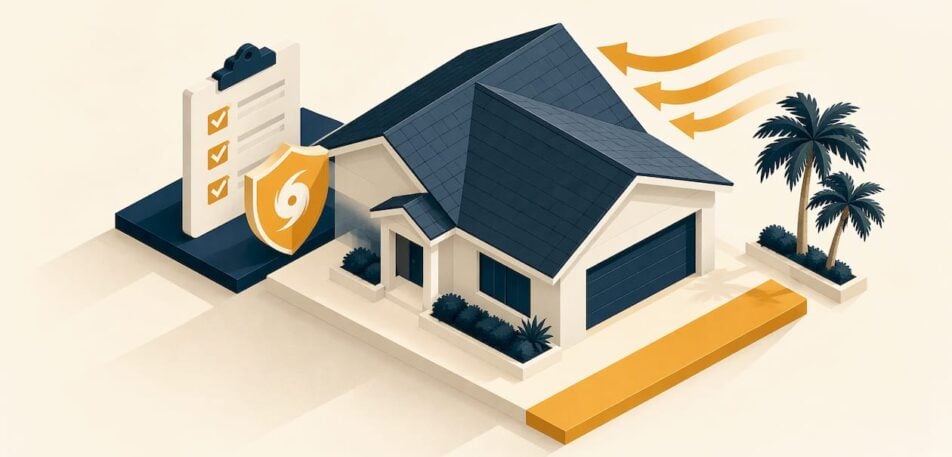
A wind mitigation inspection documents the features of your home that help it withstand hurricane winds, such as roof shape, roof-to-wall connections and roof deck attachment. In Tampa, the results go on a standardized state form that your insurer uses to calculate hurricane-wind discounts. The inspection is performed by an authorized inspector, not by your roofer, but your roof is the part of the house that shapes most of the result. This guide explains what is checked, how the 2026 form changed, how long a report stays valid, and how roof work fits in.
TL;DR
- A wind mitigation inspection records wind-resistant features on the Uniform Mitigation Verification Inspection Form so your insurer can apply discounts. Insurers must offer them for verified features.
- Since April 1, 2026, inspectors must use form OIR-B1-1802 (Rev. 04/26). It adds a wind-speed region field and a roof-slope item.
- A completed form is valid for up to five years, provided the structure has not materially changed and the form has no inaccuracies.
- Re-roofing, new openings or a retrofit are good reasons to schedule a fresh inspection sooner.
- Roof condition, roof deck attachment, roof-to-wall connections and secondary water resistance are the items a roofing project can affect.
Table of Contents
- What a wind mitigation inspection is
- Is a wind mitigation inspection required in Tampa?
- Who can perform the inspection
- What the inspector looks at
- What changed on April 1, 2026
- How much can it lower your premium?
- Cost of the inspection
- How long the report lasts and where to find your copy
- Where your roof fits in
- Florida’s home-hardening grant
- A step-by-step plan for Tampa homeowners
- Perspective
- Talk to a Tampa Bay roofer before you book
- FAQ
- Sources
What a wind mitigation inspection is
Florida’s insurance framework recognizes construction techniques and fixtures that have been shown to reduce windstorm damage. A wind mitigation inspection verifies which of those features your home actually has. The findings are recorded on the Uniform Mitigation Verification Inspection Form, and your insurance company applies the discounts that the documented features support.
The inspection is not a roof condition report, a home inspection or a repair estimate. It does not tell you whether your shingles have years left. It tells your insurer how your house is built to resist wind. That is why a home with an older roof can still have strong documentation, and why a brand new roof does not automatically earn every credit.
Is a wind mitigation inspection required in Tampa?
No law forces a Tampa homeowner to get one. The inspection is how you prove your features so you can receive credit for them. According to the Florida CFO’s consumer division, admitted insurers must provide a hurricane-loss-mitigation discount notice with new residential policies and at each renewal, and they must accept a valid, completed and signed inspection form from certain professional licensees. You can read the details on the state’s page on mitigation notices, inspections and forms.
In practice, that means three common moments to schedule one:
- You are buying a home and want to know what discounts the property qualifies for.
- Your policy is up for renewal and you have never submitted a form, or your form is old.
- You have just finished roof work or other hardening and want it reflected in your premium.
Some carriers, including Citizens Property Insurance Corporation, review submitted forms and keep the right to order an independent verification, as described on Citizens’ wind mitigation inspection page. An accurate, well-documented form avoids delays.
Who can perform the inspection
The state requires the inspection to be personally performed by the authorized licensee, with a limited exception: certain licensees may authorize a qualified direct employee to conduct it, and the licensee must attest to the results. The Florida Office of Insurance Regulation encourages consumers to confirm that an inspector is authorized under section 627.711(2)(a), Florida Statutes, and that the inspector completes the standard form. Its wind mitigation resources page explains this.
Before booking, ask the inspector for the license that qualifies them and confirm it. A form from someone who is not authorized may not be accepted by your insurer.
A roofing contractor is a different role. We repair, replace and upgrade roofs, and we can walk you through which roof features matter, but the verification form itself comes from an authorized inspector.
What the inspector looks at
The form is organized around the parts of the house that carry wind loads and keep water out. Expect the inspector to check the following.
Roof shape and slope
Hip roofs, where all sides slope down to the walls, generally perform differently in high winds than gable-end roofs. The 2026 revision of the form also adds a roof-slope item, according to the form itself.
Roof deck attachment
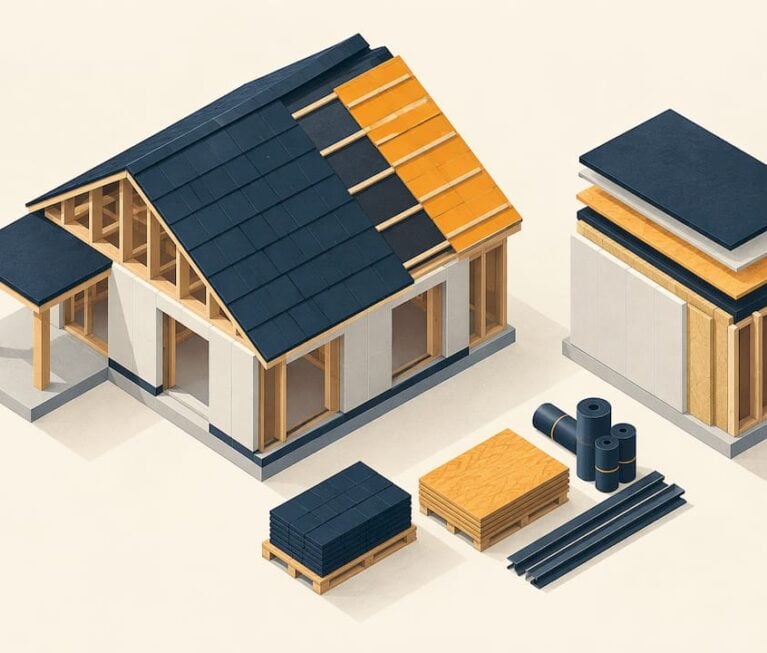
The inspector looks at how the plywood or wood deck is fastened to the rafters or trusses, usually from the attic. Nail type and spacing are what count. This is hard to see from the outside, which is one reason to document it during any roof replacement, when the deck is exposed and can be re-nailed to current standards.
Roof-to-wall connection
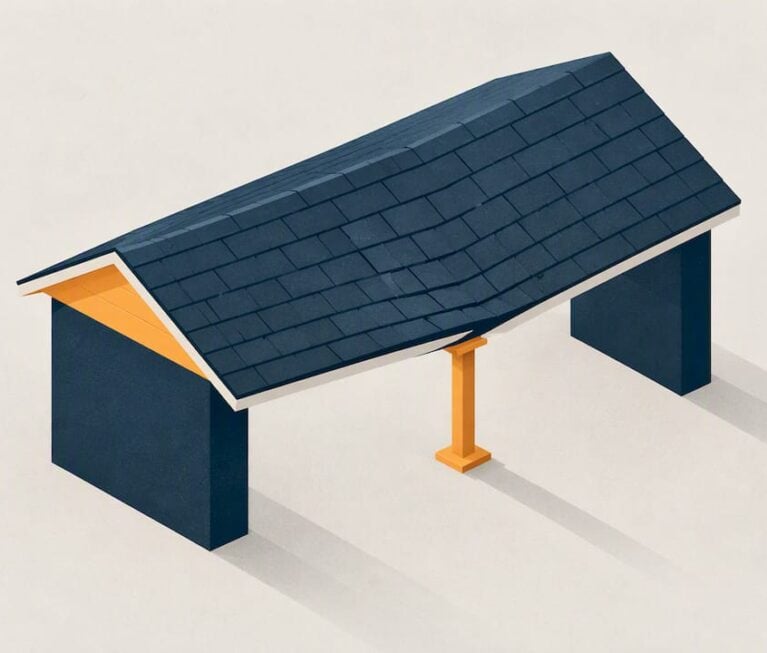
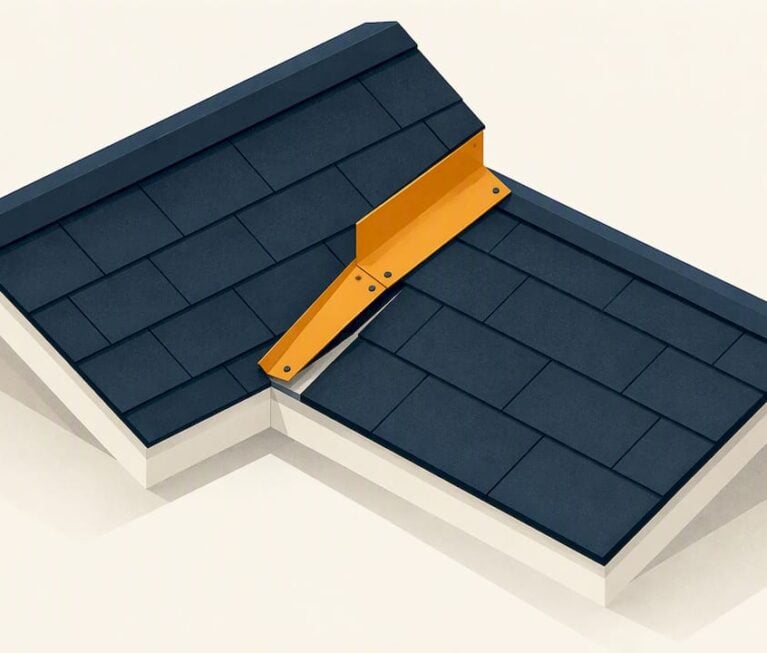
This item covers what ties the roof structure to the walls: toenails, clips or single or double wraps. Upgrading it is a structural retrofit and is among the improvements listed for the state’s grant program, discussed below.
Secondary water resistance
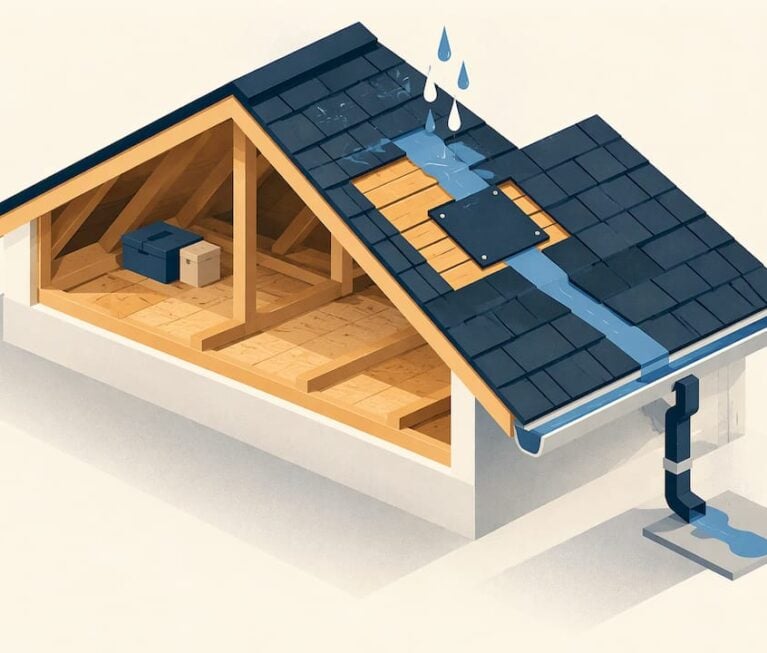
This is an extra barrier that helps keep water out if shingles or other roof coverings are lost. Whether it is present depends largely on how the roof was installed, so it is a decision worth making at the replacement stage.
Opening protection
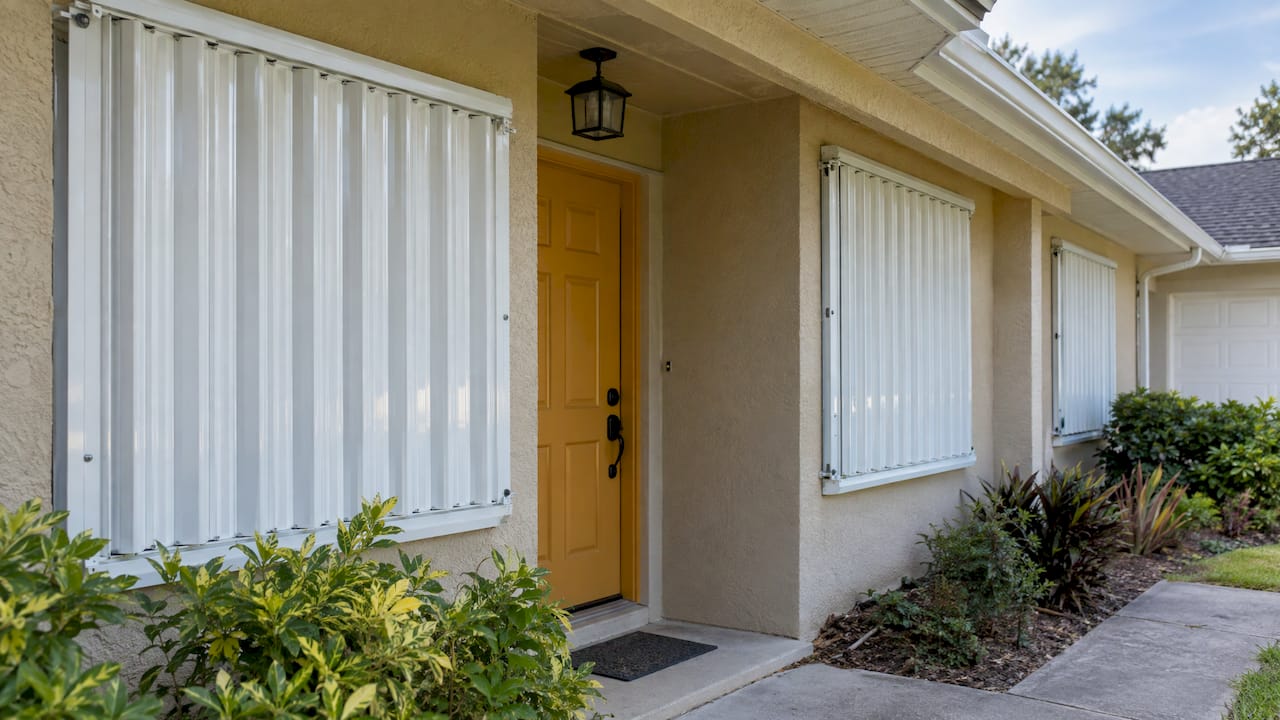
Windows, exterior doors, garage doors and skylights are assessed for impact-rated glazing or approved shutters. If you are weighing window protection, this overview of combination storm window options can help you understand the choices before you ask what your inspector will credit.
Region and FORTIFIED documentation
The April 2026 form includes a region field based on design wind speed and allows FORTIFIED Home certificates to validate certain attributes, per the Citizens-hosted form. The revision also asks for more supporting photographs and documentation, according to an insurance industry guide to the 2026 form. Keep your roofing invoices, permits and photographs of the deck and connections in one folder so your inspector can reference them.
What changed on April 1, 2026
The state’s mitigation page states that form OIR-B1-1802 (Rev. 04/26) must be used for inspections as of April 1, 2026. The Office of Insurance Regulation says the update followed its 2024 Residential Wind-Loss Mitigation Study, per its wind mitigation resources.
If your last form predates the change, it remains valid for its term as long as the five-year conditions are met. But a new inspection on the current form may capture features the older one did not, so it is worth reviewing at renewal.
How much can it lower your premium?
There is no single Tampa number. Savings depend on your carrier’s filed rates, your location, your roof and which features are documented. What is firm is that insurers must recognize verified features through discounts. The Florida Office of Insurance Regulation has long advised that securing the roof and protecting the windows are the two most cost-effective ways to reduce the hurricane-wind portion of your premium, as stated in its consumer guidance on premium factors.
For you, the practical takeaway is simple: the roof is the biggest lever. A roof that is properly attached, shaped well and finished with a secondary water barrier gives the inspector more to document.
Cost of the inspection
Prices in the Tampa area vary with the size and complexity of the home, its location and the inspection company. Many inspectors also offer a bundled visit that includes a 4-point inspection, which insurers often request for older homes. Because pricing changes, get a quote from two or three authorized inspectors and ask exactly what is included, how fast the signed form is delivered and whether a re-inspection is covered if the insurer questions it.
How long the report lasts and where to find your copy
A completed wind mitigation form is valid for up to five years, as long as no material changes have been made to the structure and no inaccuracies are found on the form, according to the state’s mitigation notices page.
Order a fresh one sooner after a re-roof, new openings or a retrofit, as the 2026 guide from Live Covered recommends. The same guide notes that because admitted carriers use the same form, established credits can travel with you if you switch insurers.
To find an old report, check these places in order:
- The inspector or company that performed it.
- Your insurance agent, who often keeps submitted forms on file.
- Your insurer’s online account or a records request to the carrier.
- The closing documents, if you bought the home recently.
Where your roof fits in
Four roof-related decisions have the most influence on what an inspector can document.
Roof age and replacement timing. An aging roof is a reason to plan, not wait. If you are weighing a replacement against other options, this look at roof replacement versus selling puts the money side in perspective. For timing and scope, our guide to replacing your roof in 2026 lays out what the process looks like.
Deck attachment. A replacement is the natural time to confirm the deck fastening is documented, because the structure is exposed.
Secondary water resistance. It is far easier to install during re-roofing than afterward.
Materials. Impact-resistant shingles or metal roofing are designed for severe weather. See our pages on selecting roofing materials for Florida’s climate and ways to fortify your Florida roof.
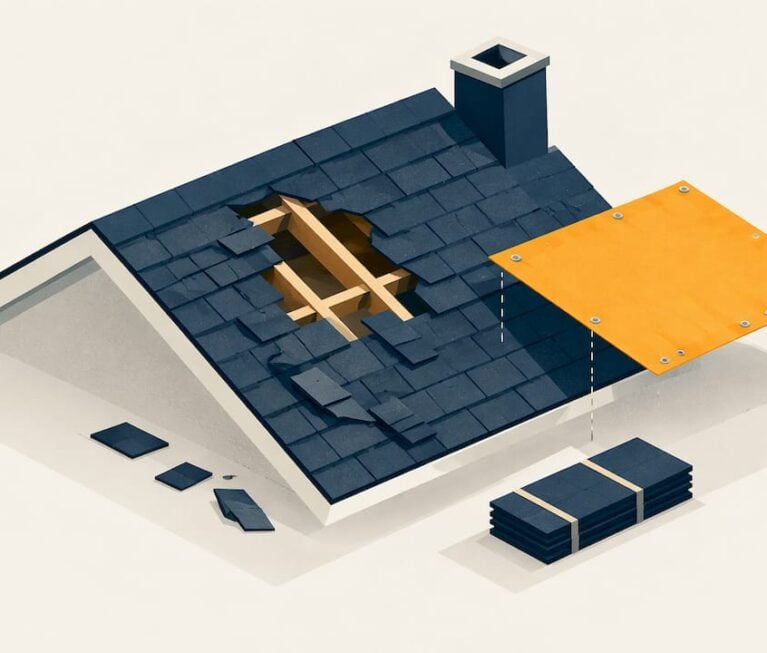
There is also the matter of ordinary upkeep. Loose flashing, worn sealant around vents and chimneys, and clogged gutters let water in long before wind becomes an issue. Regular checks, described in our article on protecting your Tampa Bay home with regular roof inspections, keep the roof in a state worth documenting.
Florida’s home-hardening grant
The My Safe Florida Home program is the “$10,000 grant” many homeowners ask about. According to the state’s mitigation program page, eligible homeowners can receive free hurricane-mitigation inspections and matching grants: for each $1 spent on hardening improvements, the program provides $2, up to $10,000, with exceptions for low-income homeowners.
Eligibility, per section 215.5586 of the 2025 Florida Statutes, includes an eligible residential property with a homestead exemption, an initial-construction building-permit application before January 1, 2008, an acceptable mitigation inspection, required permits, licensed contractors and recommended improvements. The same statute lists eligible improvements: opening protection for exterior doors, garage doors, windows and skylights; reinforcing roof-to-wall connections; strengthening roof-deck attachments; and secondary water resistance for the roof.
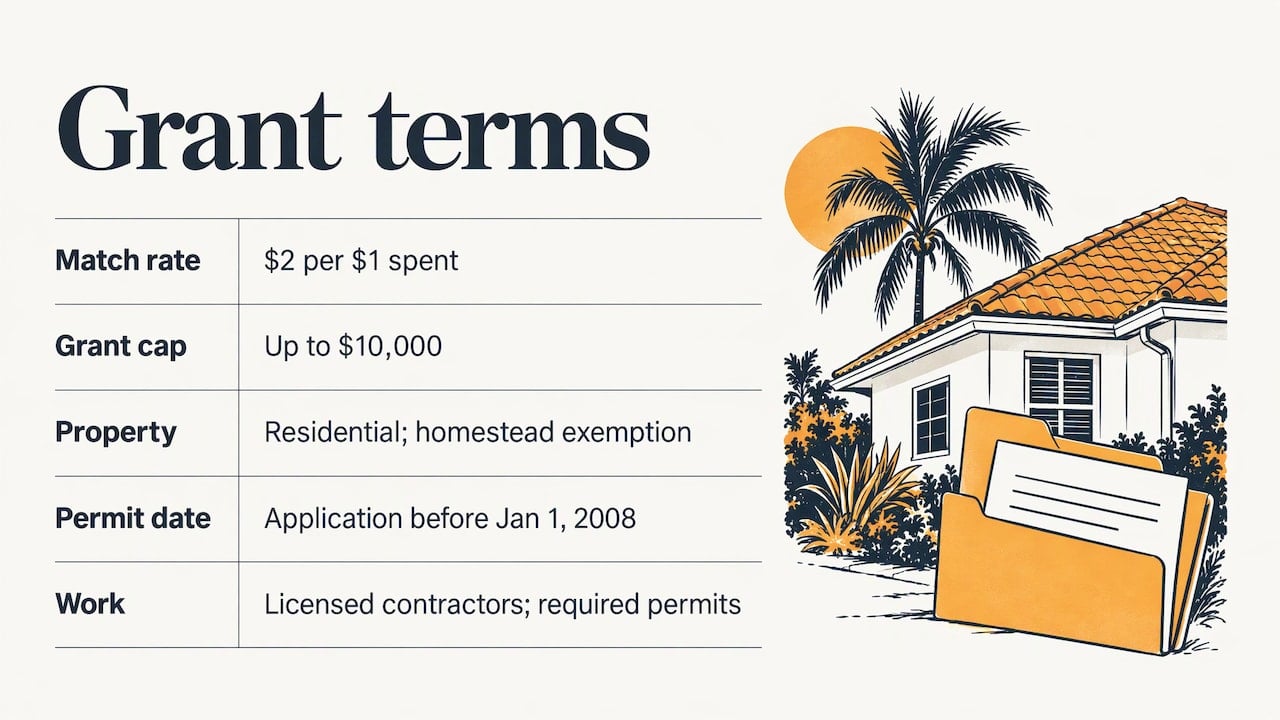
Because funding and application windows change, confirm the current status on the official program page before planning around it. If you qualify, the work must be done by licensed contractors with the required permits.
A step-by-step plan for Tampa homeowners
- Find your current form, if one exists, and note its date.
- Walk the exterior and attic with a roofer to identify visible issues: flashing, sealant, damaged shingles, soft decking.
- Complete needed repairs or planned roof work, and keep invoices, permits and photos.
- Book an authorized inspector and confirm their license.
- Submit the signed form to your agent or carrier and ask how the discounts were applied.
- Calendar the five-year mark, or earlier if you change the structure.
Perspective
Homeowners often come to us after an insurance renewal letter or a home purchase, asking whether their roof will help or hurt their premium. We tell them the same thing: start with the facts of the roof.
At GenX Roofing, we build and repair roofs for the weather of Florida and Missouri, and we have more than 20 years of experience doing it. In Tampa Bay, that means designing every installation to stand up to hurricane-season wind and rain, and being straightforward about what a project involves. We are licensed and insured, and we aim to keep our estimates honest and our communication clear from the first visit to the last.
The inspection itself belongs to an authorized inspector. Our role is to make sure the roof they examine reflects careful work: sound decking, well-sealed flashing and valleys, proper ventilation, and materials suited to severe weather. When a roof is repaired or upgraded with the inspection in mind, the paperwork afterward is simpler, because the work is documented and the features are there to be seen.
If your roof is near the end of its life, we would rather talk through a replacement plan now than react to a leak in August.
the author
Talk to a Tampa Bay roofer before you book
GenX Roofing handles roof installs, replacements, repairs, upgrades and maintenance plans for residential and commercial properties. If an inspection has you thinking about worn materials, impact-resistant shingles or metal roofing, improved ventilation, or waterproofing for valleys and transitions, we can assess the roof and explain the options.
See our roof upgrade services, review our roof repair services, or start at GenX Roofing to request an estimate. Our guide to roofing estimates in Tampa Bay explains what to expect from a quote.
FAQ
What are the wind mitigation requirements in Florida?
There is no general mandate to get an inspection. Insurers must provide a discount notice at new policies and renewals, and must accept a valid form completed by an authorized inspector. Since April 1, 2026, that form is OIR-B1-1802 (Rev. 04/26).
How much discount can I get in Florida?
It depends on your carrier’s filed rates, your location, your roof and the features documented. Insurers must offer discounts for verified wind-resistant features, so ask your agent how each documented item changed your premium.
Where can I get a copy of my wind mitigation report?
Start with the inspector who performed it, then your insurance agent or your carrier’s online account. Closing documents from a recent home purchase may also include it.
What is the $10,000 grant for Florida homeowners?
It is the My Safe Florida Home matching grant: $2 for every $1 you spend on eligible hardening improvements, up to $10,000, with exceptions for low-income homeowners. Eligibility rules apply, including homestead status and a construction permit date before January 1, 2008.
Sources
- Mitigation Notices, Inspections and Forms, Florida CFO
- Wind Mitigation Resources, Florida OIR
- Uniform Mitigation Verification Inspection Form (4/26)
- Your Wind Mitigation Inspection, Citizens
- Factors used to determine the size of your premium, Florida OIR
- Wind Mitigation Inspection in Florida: 2026 Guide
- Mitigation, Plan Prepare Protect, Florida CFO
- Section 215.5586, 2025 Florida Statutes
- Combination storm window options
- Roof replacement versus selling
Recommended
- Tampa Bay Homeowners: Get Your Roof Inspection Done Now!
- Protect Your Tampa Bay Home With Regular Roof Inspections
- How to Ensure Reliable Storm Resistant Roofing in Tampa Bay
- 7 Ways to Fortify Your Florida Roof